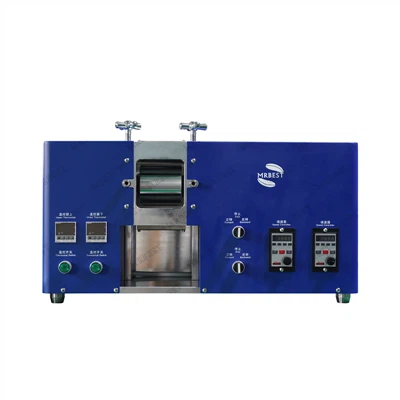
A battery short testing machine is a crucial piece of equipment in the battery manufacturing and quality control process. It helps to simulate short – circuit conditions to ensure the safety and performance of batteries. As a supplier of battery short testing machines, I am often asked about what information is included in the test report of such a machine. In this blog, I will delve into the key components of a battery short testing machine test report. Battery Short Testing Machine
1. General Information
The test report starts with general information about the test. This includes the date of the test, the name of the operator who conducted the test, and the location where the test took place. This information is essential for traceability and auditing purposes. For example, if there are any questions or disputes about the test results in the future, the operator’s name and the test date can help to identify who was involved and when the test was carried out.
The report also mentions the model and serial number of the battery short testing machine used. This allows for easy identification of the specific machine that performed the test, which is important because different models may have different testing capabilities and accuracies.
2. Battery Information
The test report includes detailed information about the battery being tested. This typically consists of the battery type, such as lithium – ion, lead – acid, or nickel – metal hydride. Different battery chemistries have different characteristics and safety requirements, so knowing the battery type is crucial for interpreting the test results.
The report also notes the battery’s nominal voltage, capacity, and physical dimensions. The nominal voltage indicates the typical operating voltage of the battery, while the capacity represents the amount of electrical energy the battery can store. The physical dimensions are important as they can affect the heat dissipation and mechanical stress during the short – circuit test.
3. Test Conditions
The test conditions section of the report is of great significance. It describes the environmental conditions during the test, such as temperature and humidity. These factors can have a significant impact on the battery’s performance and safety during a short – circuit event. For instance, high temperatures can increase the internal resistance of the battery and may lead to more severe short – circuit reactions.
The report also details the test parameters, including the short – circuit resistance and the duration of the short – circuit. The short – circuit resistance is a critical parameter as it determines the current flow during the short – circuit. A lower resistance will result in a higher current, which can put more stress on the battery. The duration of the short – circuit also affects the battery’s response, as a longer short – circuit time may cause more damage to the battery.
4. Test Results
The test results section is the core of the report. It presents the data collected during the test, such as the short – circuit current, the battery voltage during the short – circuit, and the temperature change of the battery.
The short – circuit current is a key metric. It shows how much current flows through the battery when a short – circuit occurs. High short – circuit currents can indicate potential safety risks, such as overheating or even explosion. The battery voltage during the short – circuit provides information about the battery’s ability to maintain its voltage under short – circuit conditions. A significant drop in voltage may suggest that the battery is not performing well or may have internal damage.
The temperature change of the battery is another important result. An excessive increase in temperature during the short – circuit can be a sign of a dangerous situation. The report will usually include the maximum temperature reached during the test and the rate of temperature increase.
5. Visual Inspection Results
In addition to the numerical data, the test report also includes the results of a visual inspection of the battery after the test. This may involve checking for signs of physical damage, such as swelling, leakage, or deformation. Any visible damage can provide valuable information about the battery’s response to the short – circuit and can help to determine if the battery meets the safety standards.
6. Analysis and Conclusion
The analysis section of the report interprets the test results. It compares the test data with the relevant safety standards and specifications. For example, if the short – circuit current exceeds the maximum allowable value specified in the standard, it indicates that the battery may not be safe under short – circuit conditions.
The conclusion summarizes the overall findings of the test. It states whether the battery passed or failed the short – circuit test. If the battery failed, the report may suggest possible causes and recommendations for improvement.
7. Quality Assurance Information
The test report also includes quality assurance information. This may involve details about the calibration of the testing machine. Regular calibration is essential to ensure the accuracy and reliability of the test results. The report will indicate the date of the last calibration and the calibration certificate number.
8. Signatures and Approvals
Finally, the test report is signed by the operator who conducted the test and may also require approval from a supervisor or quality control manager. These signatures confirm the authenticity and accuracy of the test results.
In conclusion, a comprehensive test report of a battery short testing machine contains a wealth of information that is essential for evaluating the safety and performance of batteries. As a supplier of battery short testing machines, we understand the importance of providing accurate and detailed test reports to our customers. Our machines are designed to provide reliable test data, and our test reports are prepared in accordance with industry standards.
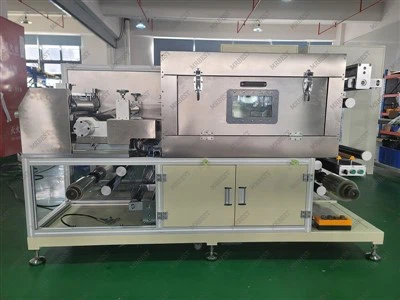
If you are in the battery manufacturing or quality control industry and are looking for a high – quality battery short testing machine, we would be delighted to discuss your requirements. Our team of experts can provide you with more information about our products and how they can help you ensure the safety and quality of your batteries. Contact us today to start a procurement discussion and take your battery testing to the next level.
Vacuum Drying Oven References
- Battery Safety Standards Handbook, published by an industry – recognized organization
- Research papers on battery short – circuit testing from academic journals
Shenzhen Meirui Zhida Technology Co., Ltd
We’re professional battery short testing machine manufacturers and suppliers in China, specialized in providing high quality products with low price. If you’re going to buy bulk discount battery short testing machine made in China, welcome to get pricelist and quotation from our factory.
Address: 104 Building 6, Second Industrial Zone, Shanmen Community, Yanluo Street, Baoan District, Shenzhen China
E-mail: mrbest@szmrbest.com
WebSite: https://www.szmrbest.com/
