Hey there, if you’re working with 24V DC contactors, odds are you’ve had that split second panic when your system’s current spikes out of nowhere. As someone who’s spent the last 7 years in the thick of 24V DC contactor manufacturing and support—helping everything from electric mobility carts to off-grid solar setups stay up and running—I’ve seen way too many good contactors get taken out by avoidable overcurrent. Let’s break this down like we would over a quick coffee, no overly jargon-heavy fluff. 24V DC Contactor
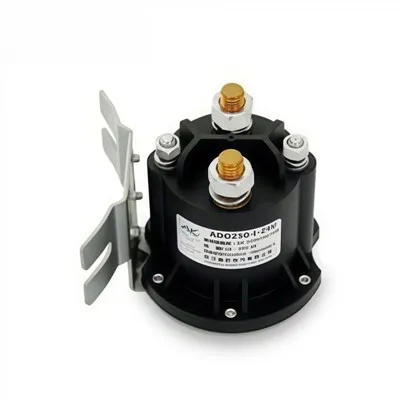
First, let’s get on the same page: what even counts as overcurrent for a 24V DC contactor? Unlike AC, DC current doesn’t cross zero 50 or 60 times a second, so spikes stick around longer and do way more damage. For 24V DC applications, overcurrent usually means anything above the contactor’s rated continuous current (say, if your contactor’s rated 50A and your load pulls 60A for even a second, that’s a problem). The big killers here are short circuits, inrush current from big motors or batteries, and even accidental load shorts down the line. I’ve had customers bring back contactors that looked fine on the outside but had pitted contacts or melted coil windings—all from skipping basic protection steps.
Let’s start with the most direct fix: sizing the contactor right in the first place. Way too many people just grab a contactor that matches their battery’s max current, but that’s a mistake. 24V DC systems often have inrush current that’s 2x to 3x the continuous load. For example, a 24V brush motor for a forklift might pull 15A continuously, but when it turns on, it surges to 40A for a fraction of a second. If you slap a 20A contactor on that, it’s toast before the motor even moves. Our go-to rule here: pick a contactor with a rated current at least 1.25x your continuous load, and 2x your peak inrush current. Wait, I know what you’re thinking—“That’ll cost more!” But replacing a contactor every 3 months is way more expensive upfront than buying one sized right the first time. We build our contactors with extra-heavy silver alloy contacts for exactly this reason, but even a good contactor can’t fight undersizing.
Next up: fuse or circuit breaker sizing, and don’t just slap any old fuse on. For 24V DC systems, you need a DC-rated fuse or breaker, not an AC one. AC fuses snuff out arcs fast, but DC arcs keep going because there’s no zero crossing—so an AC fuse might not blow when it needs to, and that arc will eat through your contactor’s contacts. For a 24V DC system, size your fuse 110% to 125% of your total circuit’s continuous current. Wait, let’s use a real example: if your system has a 30A continuous load, a 35A DC fuse is perfect. If you go too big (say, a 50A fuse), it won’t blow during a short circuit, leaving your contactor and wiring to burn up. We’ve had customers come to us after burning out a contactor because they used an old AC fuse they had in a junk drawer—don’t do that. Also, place the fuse as close to the battery as possible. If a short happens 10 feet from the battery, a fuse right at the battery will blow before the current reaches the contactor 10 feet down the line. That extra 10 feet of wire is a buffer, but only if the fuse is positioned correctly.
Then there’s inrush current mitigation—this is the secret sauce a lot of people miss, especially for inductive loads like motors, solenoids, or transformers. Inductive loads pull a huge surge when they turn on because they’re building up a magnetic field, and that surge can easily be 3x the continuous current. If you don’t tame that, even a properly sized contactor will have pitted contacts every time it switches, which leads to overheating and eventual failure. The two cheapest, easiest fixes here: inrush limiters or soft start modules. Inrush limiters are just low-value resistors (usually 1Ω to 5Ω) wired in series with the load that get shorted out after a split second once the contactor is fully engaged. Soft start modules are a bit more advanced, but they ramp up the voltage to the load slowly, so there’s no big surge at all. For small setups like golf carts or kid’s electric ATVs, an inrush limiter is $5-$10 and works like a charm. For bigger stuff like solar inverters or industrial 24V motors, a soft start is worth the extra cash to extend contactor life by years.
Wait, what about coil protection? A lot of people forget the contactor’s own coil can be hit by overcurrent too. The coil is what turns the contactor on and off, and if the voltage to the coil spikes (usually from back EMF when the contactor switches off), that can burn out the coil windings. Back EMF is like a mini surge that happens when you cut power to an inductive coil—think of it like a rubber band snapping back. The fix here is a flyback diode, also called a freewheeling diode, wired across the contactor’s coil, reverse biased. When the coil is powered, the diode doesn’t do anything. When you cut power, the back EMF flows through the diode instead of blowing up the coil. I’ve seen so many contactors die because someone skipped the diode—we even offer them as a free add-on when customers buy our contactors, it’s that important. Also, make sure the diode’s voltage rating is at least 2x the 24V system voltage (so 50V or higher) and current rating is higher than the coil’s draw. A $0.10 diode can save a $50 contactor, no brainer.
Another thing: wiring and connection checks. A lot of overcurrent issues aren’t from the contactor itself, but from loose, corroded, or undersized wiring. If your wires are too thin, they’ll get hot, which increases resistance, which makes the current higher—creating a vicious cycle. For 24V DC circuits, use wire sized to carry 125% of your max current, and keep wire runs as short as possible. Also, tighten all connections to the contactor, battery, and load. A loose connection causes voltage drop, which makes the current draw go up to compensate, and that extra heat will degrade the contactor’s contacts over time. I recommend checking connections with a torque wrench every 6 months, especially in vibrating setups like vehicles or construction equipment. We have customers who operate contactors on farm equipment that shakes a ton—loose connections are their number one issue, way more than external overloads.
Wait, what about overload relays? If you’re running a continuous load that can have temporary overloads (like a water pump that sometimes gets stuck), an overload relay is a good addition. Unlike a fuse that blows once and needs replacing, an overload relay trips temporarily when current is too high, then resets once the overload is gone. That’s perfect for loads that have occasional surges, not full short circuits. But make sure the overload relay is rated for DC, not AC, and calibrated to your specific load’s max continuous current. Don’t just pick the biggest relay you can find—calibrate it so it trips at a current that’s 125% of your continuous load. If it trips too early, it’ll cut power for no reason; if it trips too late, it won’t protect the contactor.
Now, let’s talk about what I’d do if a contactor already has overcurrent damage. First, take it apart (carefully!) and check the contacts. If they’re pitted just a little, you can use a fine abrasive stone to smooth them out, but if they’re burned or melted, that’s beyond repair. The coil is another spot—if it’s discolored or smells burnt, it’s done for. Don’t even try to fix a contactor with bad contacts or a burnt coil; it’ll fail again soon. That’s why we build our contactors with replaceable contact sets for some models—makes it easy to repair instead of tossing the whole unit, which is a big cost saver.
Before I wrap up, let’s bust a common myth: “A higher rated contactor will solve all overcurrent issues.” No, it won’t. If you have a short circuit, even a 100A contactor can be damaged if the protection upstream (fuse, breaker) isn’t sized right. The contactor is a switch, not a protection device. Its job is to turn the load on and off, not to block overcurrent—that’s what fuses, breakers, and overload relays are for. That’s a mistake a lot of new engineers make, and it leads to a lot of frustrated customers.
At the end of the day, protecting a 24V DC contactor from overcurrent isn’t about one single trick—it’s a combo of sizing right, adding the right protection devices, taming inrush, and keeping your wiring and connections in good shape. Every setup is different, so if you’re not sure what you need, don’t guess. We work with all kinds of folks—from hobbyists building a small solar setup to big industrial shops—and we can help you pick the right contactor and protection gear that fits your specific application. No one-size-fits-all here, and we don’t do pushy sales, just honest advice.

If you’re looking to upgrade your setup, troubleshoot a contactor that keeps failing, or just want to talk through what protection makes sense for your project, reach out to our team. We’re here to answer questions, no matter how small, and help you make sure your 24V DC system runs smooth for years.
SPST Type DC Power Contactor ANR Series References
- Electrical Apparatus Service Association (EASA). (2022). DC Contactor Application and Protection Guidelines.
- National Electrical Manufacturers Association (NEMA). (2021). Standard for DC Contactors for Industrial Equipment.
- Solar Energy Industries Association (SEIA). (2023). Off-Grid DC System Safety and Component Sizing Standards.
Zhejiang Aokai Electric Co., Ltd.
Zhejiang Aokai Electric Co., Ltd. is your best source for the high quality 24v dc contactor with CE certification. We have been one of the largest 24v dc contactor manufacturers and suppliers in China since our establishment in 2008. Welcome to contact our factory for the products.
Address: No.166 Xiangbai Road, Huxi Industrial, Yueqing, China.
E-mail: akcontactor@aokai.com
WebSite: https://www.ak-contactor.com/
