If you’ve ever walked a job site where trenches needed to be dug for utility lines, landscaping irrigation, or fiber optic cables, you know one size rarely fits all. As a trencher supplier who’s spent years on job sites talking to contractors, construction managers, and small business owners, one question I hear more than any other is: Can a trencher be customized to specific needs? The short answer is a resounding yes—but to really understand how customization works, and why it’s not just a “nice-to-have” but often a make-or-break detail for project success, you have to look past the glossy marketing brochures and into the day-to-day frustrations that come with generic, off-the-shelf equipment. Trencher
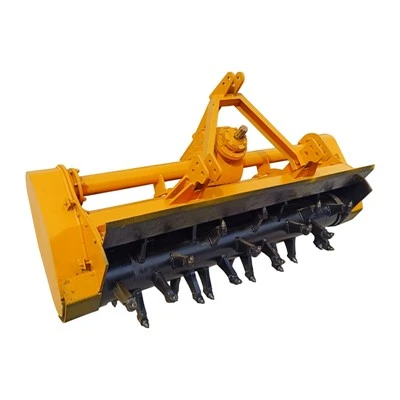
Let’s start with a reality check: a standard walk-behind trencher bought from a big-box hardware store might work for digging shallow, narrow trenches in soft soil for a small yard. But take that same model to a construction site where you’re cutting through compacted clay, rocky soil, or even asphalt, and it’ll stall, bend its chain, or leave you spending half the day fixing breakdowns instead of digging. For larger rides-on, generic models have fixed digging depths, chain widths, and power levels that don’t align with every project. That’s where customization steps in—and it’s not just about bolting a new part on. It’s about engineering a machine that fits your exact job, not the other way around.
Over the years, we’ve worked with everything from residential landscaping companies that need to dig trenches around existing trees without damaging roots, to municipal utility teams that have to dig trenches 6 feet deep for gas lines in urban areas with underground pipes scattered every 12 inches. Each project comes with unique constraints, and generic trenchers can’t adapt to any of them. Let’s break down the most common customizations we help clients build, and why they matter.
First and foremost is digging depth and chain width. A landscaper installing a low-voltage irrigation system only needs trenches 6 to 12 inches deep, 3 to 4 inches wide, to avoid wasting soil and time digging deeper than necessary. A contractor running fiber optic lines might need trenches up to 4 feet deep, but only 2 inches wide—too wide a trench would mean more backfilling, extra dirt disposal, and higher labor costs. A generic trencher often has a fixed chain depth that’s either too short for deep projects or too deep (and too powerful) for small, shallow jobs. We can modify the boom length to adjust the maximum digging depth, swap out chain links for narrower or wider ones, and even adjust the sprocket size to match. Last year, a client who installs solar panels called us because their standard ride-on trencher was leaving trenches 18 inches wide, which required them to fill twice as much soil around the panel mounts. We swapped their chain for a 3-inch wide model, trimmed the boom to cut only 10 inches deep, and they cut their backfilling time by 40% on every residential solar project. That’s not a trivial number—for a company installing 50 panels a month, that’s 20 extra hours of work they can now put toward new projects.
Next is power and traction, which ties directly to soil conditions. A trencher that works in loose topsoil will struggle in compacted clay or rocky ground, and vice versa. Generic models come with a single engine or traction system that works for average conditions, but it fails in extreme ones. We’ve customized engines for clients working in rocky terrain: swapping a standard 13-horsepower engine for a 18-horsepower model with a heavier-duty torque converter that doesn’t stall when hitting a small rock. For contractors working on sandy or loose soil, we add larger, wider track pads to prevent the trencher from sinking into soft ground—something that’s a huge issue in places like Florida’s coastal construction sites, where wet sand is standard. We also adjust the drive system: some clients need a faster travel speed for long, straight trenches, while others need a slower, more controlled speed for tight, winding routes around existing structures. Last quarter, a road construction contractor in Texas asked us to modify three ride-on trenchers for their project cutting utility trenches along a busy highway. The standard models they were using would slip on the paved shoulder, and their chain would skip when digging through compacted gravel. We added a traction control system that adjusts power to each track independently, and swapped the chain for a heavy-duty carbide-tipped model that holds up to gravel. They told us the modified trenchers cut their trench time per mile by 25% and reduced chain replacements from every 300 feet to every 1,200 feet. That’s less downtime, less cost for replacement parts, and more jobs completed on schedule.
Then there are the small, job-specific customizations that don’t make headlines but make a world of difference. For example, some contractors need to dig trenches near sidewalks, buildings, or underground utility lines—so a standard trencher’s fixed blade might be too sharp or too wide, risking damage to nearby structures. We can add a depth gauge or a laser alignment system that lets operators dig to exactly the right depth, no more, no less. For a utility company working in downtown areas, we can add a side-shift feature that lets the trencher move slightly left or right without repositioning the entire machine, which is critical when underground pipes are marked but not perfectly mapped. We’ve also customized trenchers for specialty jobs like trenching in historic sites, where you can’t use heavy equipment that might damage existing stone or trees. One client who restores old properties needed a walk-behind trencher that was lightweight (under 1,000 pounds) but powerful enough to dig 10-inch deep trenches for new irrigation lines without disturbing the historic stone foundation. We took a standard lightweight model, reinforced the frame with high-strength aluminum instead of steel, added a narrower chain, and adjusted the weight distribution to reduce ground pressure. They used it to dig 120 linear feet of trenches near a 150-year-old stone wall, and didn’t chip a single stone. That’s the kind of customization generic equipment can’t provide.
Of course, some people ask: “Why not just buy a standard trencher and modify it myself?” The truth is, modifying a trencher on your own is risky. Trencher chains are under extreme tension—adjusting the boom or chain without engineering knowledge can lead to the chain breaking mid-job, which is not only dangerous but can delay a project for hours, even days. The power system is another area: swapping an engine without matching the torque and drive ratio can blow the transmission or cause the trencher to flip. That’s why working with a supplier who specializes in trencher customization is so important. We don’t just add parts—we run tests, check load capacities, and make sure the modified machine is safe, compliant with industry standards, and built to last the life of a project. We also have a team of technicians who know how each modification will interact with the rest of the machine, so you don’t end up with a trencher that works for 10 minutes then breaks down.
Let’s talk about the business impact of customized trenchers, because that’s what really matters for most clients. A generic trencher might cost $5,000, but if it takes twice as long to dig a trench, requires extra labor to fix, and breaks down every few hundred feet, it ends up costing more in the long run. A customized trencher might cost 20% more upfront, but the time savings, fewer breakdowns, and lower labor costs add up fast. A 2022 study by the National Utility Contractors Association found that customized equipment reduces project costs by an average of 18% for utility trench work, because it’s tailored to the exact task, so contractors don’t waste time or resources on unnecessary features. That’s a number you can’t ignore—for a small landscaping company with 10 projects a month, that’s thousands of dollars in savings every year.
Now, I know some of you might be thinking: “My project is too small, can customization help me?” Absolutely. We’ve worked with small business owners who need a single walk-behind trencher customized for their specific jobs, and large construction firms that need a fleet of ride-on trenchers modified for multiple project types. It doesn’t matter if you’re digging 50 feet of trench for a backyard irrigation system or 5,000 feet for a fiber optic network—we can adjust the machine to fit your needs. The key is to share your exact requirements: what type of soil you’re digging in, the depth and width of the trenches, any nearby structures or obstacles, and how often you’ll use the trencher. We’ll work with you to design a machine that checks all your boxes, without adding unnecessary features you’ll never use.

At the end of the day, a trencher is only as good as how well it works for your job. Generic equipment is built to appeal to the widest audience, but that means it can’t excel at any one specific task. Customization lets you build a trencher that’s tailored to your projects, saves you time and money, and reduces the frustration of working with equipment that just doesn’t fit. If you’re tired of generic trenchers that stall, break down, or waste time on every project, we can help. Whether you need a small walk-behind for landscaping or a heavy-duty ride-on for utility work, we’ll work with you to design a trencher that meets your exact needs. Reach out to us to discuss your project requirements, and we’ll put together a customized solution that helps you get the job done right, on time, and on budget.
Truck Mounted Spreader References
- National Utility Contractors Association. (2022). Customized Equipment Impacts on Utility Construction Cost and Productivity.
- Construction Equipment Association. (2021). Customization Trends in Ground Engaging Equipment for Residential and Commercial Projects.
- Landscaping Industry Association. (2023). Equipment Customization for Specialty Yard and Landscape Installation Jobs.
- Occupational Safety and Health Administration. (2020). Safety Guidelines for Modified Ground Engaging Equipment, Including Trenchers.
Zhihao Highway Engineering Machinery Co., Ltd.
As one of the most professional trencher manufacturers and suppliers in China, we have world-leading production equipment and strong manufacturing capabilities. Please rest assured to wholesale customized trencher made in China here from our factory. For price consultation, contact us.
Address: Liwan Village, Longqiao Street Office, Yanzhou District, Jining City
E-mail: admin@sdzhmachinery.com
WebSite: https://www.zhroadmach.com/
