If you’re a tattoo artist — whether you’re just starting out or you’ve been in the game for a decade — you know that every tiny detail of your setup makes a huge difference. From the ink you use to the needles you slot into your machine, nothing is trivial. One question I get all the time (and not just from new artists, either) is: “Do disposable tattoo grips come with a quality certificate?” Tattoo Disposable Grips
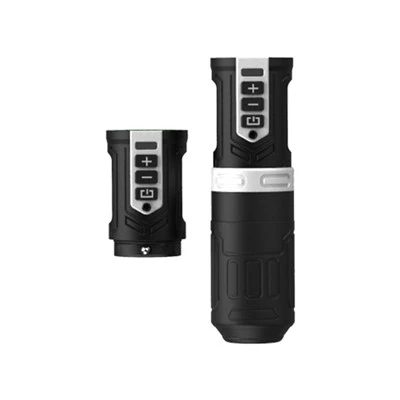
Let’s cut to the chase: yes, good ones do. But here’s the thing — not all disposable grips are made equal. A lot of artists don’t stop to dig into why that certificate matters, or what it actually proves. As someone who’s been supplying disposable tattoo grips for years, I’ve seen artists waste money on cheap, no-name grips that feel flimsy, leak ink, or even get stuck mid-session. That’s the last thing you want when you’re working on a client’s skin — especially if it’s a fresh tattoo that’s going to be part of their permanent story.
First, let’s talk about what a quality certificate for disposable tattoo grips actually is. It’s not just a fancy piece of paper to hang on a wall (though some suppliers do frame them, fair play). It’s proof that the product was made in a facility that follows specific safety standards. Think about it: disposable grips are touching your machine, your needles, and directly the skin. If the plastic is low-grade, it might shed microplastics into the ink reservoir. Or if the manufacturing process is sloppy, there could be tiny, sharp burrs on the inside that catch needles or scratch your hand during long sessions. That’s where the certificate comes in — it’s the supplier saying, “We tested these, they meet industry requirements, so you don’t have to worry about the basics.”
I’ve had artists message me at 2 a.m. (because that’s when most of us are prepping for a session) panicking because their last batch of grips started oozing weird residue when they got warm from the machine. No quality certificate? No way to prove that plastic is non-toxic, BPA-free, or whatever other standards apply. At my end, every single grip we send out has documentation that it’s been tested for biocompatibility — meaning it won’t react with human skin, and it won’t leach anything bad. That’s non-negotiable for me, and it should be for any artist serious about their craft.
Another big point: traceability. A good quality certificate doesn’t just say “this grip is safe” — it lets you trace that specific batch back to the production run, the materials used, even the inspectors who signed off on it. Last year, we had an artist reach out saying a small number of our grips were a little too tight on their machines. We pulled the batch number from their order, checked our records, and found there was a minor hiccup in the molding process for that run. We notified all the artists who bought from that batch, offered full refunds or replacements, and adjusted our quality check for molding thickness. Without the certificate and batch traceability, we never would’ve caught that, and that artist could’ve had a nightmare session.
Let’s be real, disposable grips exist to save time. You don’t want to be sanitizing a grip between clients — that’s extra work, and there’s always a tiny risk of cross-contamination, no matter how well you clean. But that convenience only matters if the grip is actually reliable. A quality certificate is part of that reliability. It’s not just about safety, either — it’s about consistency. When you have a certificate, you know every grip in that box is the same size, the same weight, the same texture. No more grabbing two grips from a random pack that feel totally different, messing with your hand position mid-tattoo, and ending up with a line that’s a little wobbly.
I get why some artists skip checking for that certificate. It’s easy to see a cheap price and go for it, especially when you’re just starting out and every penny counts. But I’ve seen what happens when you do that. A friend of mine, a tattoo artist in Austin, used no-name grips for a festival once. Three different clients got rashes around their tattoo sites. He ended up having to cover those designs, lost a lot of repeat business, and spent weeks sorting out insurance stuff because he didn’t have proof that his tools were safe. If he’d used grips with a proper quality certificate, he would’ve had that documentation to show the rashes were from the ink or his process, not his tools. That’s the kind of cost that doesn’t show up on the price tag of the grips.
Now, not all quality certificates are created equal, either. A lot of cheap suppliers will print a “certificate” on a random sheet of paper, make it look official, and call it a day. The real ones come from third-party testing facilities that specialize in medical or tattoo equipment. They test for things like material composition, structural integrity, and even how the grip stands up to heat and pressure from a tattoo machine. If a supplier won’t show you that actual test data? Keep looking. It’s a red flag.
At my company, we make a point of sending a copy of the quality certificate with every bulk order, and we post digital copies for artists who order online and need them fast. I even have a folder on my work computer where I can pull up specific batch certificates in 10 seconds if an artist needs them for compliance or just peace of mind. We don’t cut corners on that, because I know how much it matters. Tattooing isn’t just a job for most of us — it’s a craft, it’s a way to connect with people, and it’s a responsibility to keep everyone safe.
Another thing I hear all the time: “Disposable grips are so simple, why do they need a certificate?” Yeah, they look simple. They’re plastic, they’re hollow, that’s it. But when you’re putting a needle through someone’s skin, every single component has to be precise. If the grip is too thin, it might crack mid-tattoo, and that’s a mess. If the threading for the needle is off, your needle will slip, and you’ll nick the client more than you need to. A quality certificate confirms that those small, easy-to-miss details are up to par.
I also think artists underestimate how much their clients notice. Most clients don’t know the difference between a good grip and a bad one, but they notice if the process feels smooth, if the tools don’t smell weird, if the artist seems confident in their setup. When you can pull up that quality certificate on your phone before a session and say, “This is what I use to keep you safe,” it builds trust. That’s huge for repeat clients and word-of-mouth, which is everything in this industry.
Now, let’s talk about the flip side. There are some really good budget disposable grips out there that do have proper certificates. You don’t have to pay top dollar to get a safe, reliable product. The problem is the suppliers that cut the certificate to save a few cents, then jack up the price to make you think you’re getting a premium product. I’ve tested a lot of grips over the years, and I can tell you which ones feel solid, which ones are made with safe plastic, and which ones are just cheap junk. The ones with the certificates are almost always the ones that last through a full sleeve, don’t leak, and don’t cause issues.
If you’re new to ordering disposable grips, here’s my quick checklist: first, ask the supplier if they include a quality certificate with every order. If they say no, walk away. Second, ask what standard the certificate adheres to — is it ISO? FDA? Or some random standard that doesn’t mean anything? Third, ask if you can see a sample batch’s certificate before you place a big order. Most good suppliers will send it over no questions asked.
I’ve been in this game for 15 years, starting out tattooing out of my garage and then moving to supplying grips because I saw so many artists struggling with unreliable tools. The biggest mistake I see new artists make is prioritizing low price over quality and safety. That one cheap box of grips might save you $10, but if it ruins a session, gives a client a rash, or causes you to have to rework a tattoo, that cost is way higher. The quality certificate is just one part of the puzzle, but it’s a really important one.
At the end of the day, disposable tattoo grips are a small part of what makes a great tattoo, but they’re integral. If your grip fails, your whole session can go sideways. The quality certificate isn’t just a piece of paper — it’s proof that the supplier has your back, that they care about the same things you do: safety, reliability, and a good outcome for both you and your client.
If you’re tired of dealing with flimsy grips, ink leaks mid-session, or suppliers that dodge questions about quality, I’m here to help. We make disposable grips that are tested, certified, and built for the long haul. No gimmicks, no hidden fees, just solid product and the documentation to prove it. Whether you’re a solo artist running a studio or a traveling tattooist who needs bulk orders, we can work together to find what fits your setup.

So if you’re ready to stop worrying about your grips and focus on the art, reach out. Let’s chat about your needs, what kind of sessions you’re booking, and how our grips can make your process smoother. No pressure, no sales pitch — just two people in the industry wanting to help each other out.
Wireless Tattoo Machine References
- International Organization for Standardization. ISO 13485:2016, Medical Devices – Quality Management Systems – Requirements for Regulatory Purposes.
- U.S. Food and Drug Administration. (2022). Safety Considerations for Tattooing and Body Piercing.
- Society of Tattoo and Body Art Professionals. (2021). Best Practices for Single-Use Tattoo Equipment Quality Assurance.
Zhuji Taituo Machinery Technology Co., Ltd.
Zhuji Taituo Machinery Technology Co., Ltd. is one of the best tattoo disposable grips manufacturers and suppliers in China for over 20 years, also supports customized service. Welcome to buy advanced tattoo disposable grips made in China here and get quotation from our factory. For price consultation, contact us.
Address: 101, Building 12, Youdi, No. 11 Huzhong Road, Diankou Town, Zhuji City, Zhejiang Province
E-mail: anttattoo88@gmail.com
WebSite: https://www.antinktattoo.com/
