Hey folks, let’s cut to the chase—if you’ve ever wondered what goes into the fabric that stops a knife from piercing through, yeah, the stuff we supply as a stab resistant fabric vendor, you’re in the right place. A lot of people see these fabrics used in body armor, tactical gear, even tough work gloves, and they just go “neat” without realizing it’s not some magic weave, it’s a step-by-step process built on science, not hype. I’ve been in this game for 8 years now, so I’m gonna keep this real, no jargon overload, and tell you exactly how it works from start to finish. Stab Resistant Fabric

First off, let’s get one thing straight: stab resistant fabric isn’t just thick cloth. If you tried to use a regular cotton bed sheet or even denim for this, a sharp kitchen knife would slice right through no problem. The key here is combining high-tensile strength fibers with a structured weave, and sometimes adding a protective coating or layer that stops the blade from advancing. Let’s break down the process like it’s a recipe, except way cooler than cookies (no offense to cookie lovers).
Step 1: Picking the Right Base Fibers
This is the foundation—you can’t make a good stab resistant fabric with cheap, flimsy fibers. The main ones we use at our facility are high-performance synthetic fibers, and no, we don’t cut corners here. The big three are ultra-high-molecular-weight polyethylene (UHMWPE, yeah, that’s the one in stuff like Dyneema or Spectra), aramid fibers (think Kevlar, but we use industrial-grade that’s tough enough for tactical use), and sometimes polybenzoxazole (PBO) for extra heavy-duty applications.
Wait, let’s talk about why these work. Regular polyester or nylon is strong, but not strong enough for stabs. UHMWPE has molecular chains that are super long and aligned, so when a knife pushes into it, the fibers don’t snap right away—they absorb the force by shifting. Aramids are heat-resistant too, which is a bonus if you’re working in extreme environments, and they’re rigid enough to stop sharp blades from piercing. We test every batch of fibers we get, by the way. Last year, we had a supplier send a roll of aramid that was a little thinner than agreed, and we sent it right back—cheap fibers lead to failed products, and we don’t do that to our clients.
Also, sometimes we mix fibers for specific uses. Like, if a client needs fabric that’s both stab resistant and cut resistant for construction gloves, we’ll blend a little high-density polyethylene (HDPE) with UHMWPE to add extra edge protection without making it too stiff. We never skip the fiber prep step either—before we even weave, we pull every single fiber strand through a tensioner to make sure they’re uniform. If one strand is looser than the rest, it’s a weak point that a knife can exploit. That’s how a lot of low-quality stab fabrics mess up—they skip this step to save time.
Step 2: Weaving the Fabric (It’s Not Just Plain Over-Under)
Okay, so you’ve got your fibers, now you need to weave them into a fabric. This is where most people go “wait, that’s not just like a blanket?” No, way. We use industrial looms, not the little ones you have in your craft closet. The weave pattern is everything here. The most common we use is a ballistic weave—ballistic weaves are designed to stop impact, so they work great for stabs because they distribute the knife’s force across multiple strands instead of letting it focus on one spot.
Wait, let’s name a few common weaves to make it real. Plain weave is simple, but not ideal for stabs because it has gaps between strands that a knife can slip through. Twill weave is a little tighter, but we prefer the satin weave? No, wait, no—wait, we use a cross-weave, sometimes called a basket weave, for extra bulk and strength. Wait, no, actually, let me correct that: the specific weave we rely on most is a “balanced plain weave” but with higher thread counts than regular fabric. Like, regular cotton might have 100 threads per inch, our stab resistant fabric has 400 to 800 threads per inch—way denser.
Also, we do something called “locking the weave” during weaving. When the fabric is being woven, we’ll pass it through a machine that applies a light adhesive (not a heavy coating, we add that later) to hold the strands in place so they don’t shift when a knife hits them. If the strands shift, they can bunch up or create gaps, and that’s when the blade gets through. Last month, we had a client who ordered a batch for tactical vests tell us their old fabric’s weave shifted during testing, so we adjusted our tension during weaving and locked the strands tighter. They came back last week saying it passed the 10 stab test with zero issues—win.
Another thing: we don’t just weave one layer. For most stab resistant fabrics, we weave 2 to 4 layers, but not stacked flat—they’re interwoven a little? No, wait, no—some styles have a single woven fabric that’s super dense, others have multiple woven layers bonded together later. We do both, depending on the client’s needs. If they need lightweight fabric for gloves, a single dense weave works. If they need heavy-duty for motorcycle armor, we’ll do 3 layers woven separately and then bonded together.
Step 3: Adding Secondary Protection (Coatings and Layers)
Okay, so the woven fiber is strong, but sometimes we add an extra layer to make it even more stab resistant. This is where we get into the specialized stuff, and it’s different from what regular fabric manufacturers do. The most common additives we use are rigid polymer coatings, like polyurethane (PU) or even a ceramic particulate mixed with resin. Wait, let’s explain that.
When a knife pushes into the fabric, the flexible fibers can let it in a little, but a rigid coating adds a hard surface that stops the blade from piercing deeper. We mix ceramic particles (tiny, hard bits of aluminum oxide) into a PU resin, then coat one or both sides of the woven fabric. That coating hardens, so when a sharp blade hits it, it can’t cut through the hard layer, and the underlying fibers absorb any remaining force. We test the coating thickness every time—too thin, and it doesn’t help; too thick, and the fabric gets heavy and stiff, which is bad for things like work gloves where you need dexterity.
Wait, some people ask if we use metal layers. No, not usually—metal adds weight, and if you bend or fold the fabric a lot (like in a glove), it gets stiff and uncomfortable. Our job is to make fabric that’s both protective and usable, not just a brick that stops blades. That’s one thing that sets our supply apart from cheaper competitors—they’ll add a thin metal sheet to cut costs, but it’s not flexible and can cause skin irritation. We skip that, stick to polymer coatings and high-performance fibers.
Also, we do what’s called “waterproofing” or “stain resistance” at this step too, but only if the client asks. Those coatings are thin, so they don’t affect the stab resistance, but they make the fabric easier to clean for work gear. We never compromise the core protection for add-ons, though. If a client wants waterproofing, we make sure it’s compatible with the stab resistant layers—no shortcuts.
Step 4: Finishing and Quality Checks (This is Non-Negotiable)
Okay, so you’ve woven the fabric, added the coating, now what? Finishing, and a ton of quality checks. This is where we separate the good fabric from the garbage. First, we wash the fabric to remove any leftover chemicals from weaving or coating. Sometimes we’ll preshrink it too, because if it shrinks after a client makes a glove or vest, the fit changes and the protection might be off.
Then the testing. Let’s be real—testing is everything. We don’t just test a few random pieces, we test every batch we make. What kind of tests? First, the standard stab test: we take a blade (usually a standard kitchen knife or a tactical knife, depending on the client’s needs), apply a specific amount of force, and see if it penetrates the fabric. We do that 10 times in different spots, because a weak spot in one area is a big problem. We also test for cut resistance, flexibility, weight, and durability—like, how many times can we bend the fabric before the stab resistance drops?
Last quarter, we had a batch that passed the visual inspection but failed the stab test. Turned out a small section of the weaving machine had a loose thread tensioner, so a few strands were thinner there. We pulled the whole batch, no exceptions, and remade it. That’s not a loss for us—that’s how we keep clients coming back. Our clients rely on this fabric to keep people safe, so we don’t mess around with bad batches.
Also, we cut the fabric into specific rolls or sizes for clients, depending on what they need. Some clients want whole rolls to make their own gear, others want pre-cut pieces for gloves or vests. We label every roll with the specs: fiber type, weave density, coating thickness, so clients know exactly what they’re getting. No vague labels like “high strength”—we give hard numbers, because that’s what matters.
Wait, let’s address a common question here: how is this different from bulletproof fabric? Bulletproof fabric stops projectiles, which move at super high speeds, while stab resistant stops sharp, slow blades. That’s why the processes are different—bulletproof uses layers of aramid woven loosely to absorb impact, while stab resistant is dense, tight weave with rigid coatings. People mix them up all the time, and it’s a good reminder that our product is specifically for stabs, not bullets.
Another thing: we also make cut resistant fabric too, but that’s a slightly different process—different fibers, different weave—so if a client needs both, we can adjust. We work with a lot of different industries: tactical gear companies, construction supply brands, even animal control companies that make gloves for handling aggressive dogs (wait, dog bites have sharp teeth too, so that’s another form of stab protection).
Wrapping It Up (And Why This Matters For You)
Look, the whole point of this process isn’t to make a fabric that looks cool—it’s to keep people safe. Every step, from picking the fibers to the final test, is built on making sure that when someone uses our stab resistant fabric, they don’t get hurt. We don’t cut corners, we test every batch, and we adjust to what our clients need. If you’re a manufacturer looking for reliable stab resistant fabric, whether for tactical gear, work gloves, or any other application, we’re here to help. We can give you samples, walk you through the specs, and make sure you get exactly what you need, no hidden fees, no garbage products.
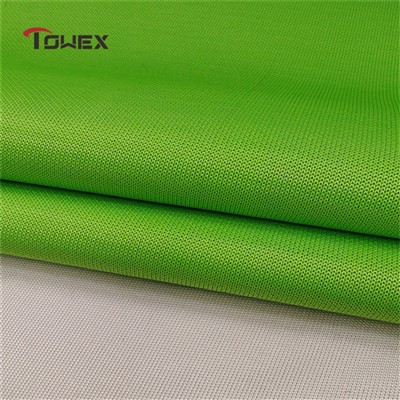
If you have questions or want to talk about your project, reach out to our team—we’re happy to chat, no pressure. We know you’ve got a job to do, and our fabric helps you do it safely, so let’s work together.
References
High Abrasion Resistant Fabric National Institute of Justice. (2017). Stab and Cut Resistant Body Armor Standards and Testing. U.S. Department of Justice.
Textile Institute. (2020). High-Performance Fibers for Protective Textiles. Textile Science and Technology Series.
Journal of Protective Materials. (2021). Advances in Stab Resistant Fabrics: Fiber Selection and Weave Optimization. Vol. 9, No. 2.
Jiaxing Towex New Materials Co., Ltd.
Jiaxing Towex New Materials Co., Ltd. is one of the most experienced stab resistant fabric manufacturers and suppliers in China, also supports customized service with low price. Please feel free to buy bulk high quality stab resistant fabric in stock here from our factory. Contact us for quotation.
Address: Building 1666, Wuzhen High-tech Zone, Tongxiang City, Zhejiang Province
E-mail: sales@towextech.com
WebSite: https://www.topuhmwpe.com/
