If you’ve ever walked into a bustling bakery early in the morning, watched a sourdough loaf rise high and crusty, or wondered why a batch of savory flatbread puffs up into something light and satisfying, you’ve experienced leavening in action. For most home cooks and even many professional chefs, leavening agents feel like a bakery-specific tool—something reserved for cakes, cookies, and sweet breads. But as a leavening agent supplier who’s worked with restaurants, caterers, and small food manufacturers for over a decade, I can tell you this is a myth that’s costing savory food creators out there the chance to elevate their dishes to the next level. Today, I want to break down exactly how, why, and when leavening agents belong in savory recipes, share real examples of how they’re already working for our clients, and clear up the science behind why this isn’t just a random kitchen hack—it’s a deliberate, effective cooking technique. Leavening Agent
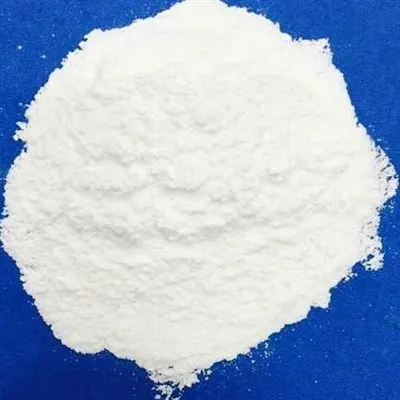
First, let’s get back to basics. A leavening agent is any substance that creates gas bubbles in a batter or dough, which causes the mixture to expand and become light, airy, and tender, rather than dense and flat. The three main types are biological (like yeast), chemical (baking soda, baking powder), and physical (air trapped in whipped ingredients, steam from cooking liquid). For most savory applications, yeast, baking powder, and sometimes even baking soda are the workhorses—they’re reliable, consistent, and don’t require special equipment to use. The confusion comes from associating leavening only with sweet foods, but savory recipes have just as much to gain from controlled expansion. Dense, heavy dishes are often a turn-off for modern eaters, who crave textural variety and balanced flavors. Leavening adds that subtle, pillowy lightness that makes even hearty savory dishes feel approachable and satisfying, without overpowering the main ingredients.
Let’s start with the most common savory use of leavening: flatbreads. Think of naan, pita, or roti—these wouldn’t have their iconic soft, chewy, slightly puffed texture without leavening. Traditional naan uses yeast, mixed with yogurt and flour, and left to rise for a few hours before being cooked in a tandoor oven. The yeast feeds on the natural sugars in the dough, producing carbon dioxide bubbles that expand as the dough heats, creating those characteristic pockets. But it’s not just traditional flatbreads that benefit. Our team recently worked with a small chain of Mediterranean cafes that wanted to offer a gluten-free pita alternative. They were struggling for months to make a flatbread that didn’t turn into a tough, cracker-like disc that fell apart when stuffed with gyro meat and tzatziki. We suggested a blend of rice flour, tapioca starch, and our sodium acid pyrophosphate (SAPP)-based baking powder, adjusted for gluten-free dough’s lower elasticity. The result was a light, flexible pita that puffed perfectly on their flatgrill, and their sandwich sales went up 18% in three months. This isn’t a fluke—chemical leaveners are incredibly versatile, and when calibrated for a specific savory recipe, they solve common pain points like dense texture and poor structure.
Another area where leavening shines is in savory baked goods that aren’t bread. Think of cheese sticks, savory scones, or even quiche crusts. Savory scones, for example, are often dismissed as heavy or dry, but adding baking powder to the dough creates layers that rise slightly, making them flaky and tender rather than crumbly. A client of ours who specializes in artisanal cheese products used to sell dense, dry cheddar scones that returned 20% unsold each week. We adjusted their recipe to add our single-acting baking powder, cut the butter into smaller pieces, and reduced the liquid slightly to compensate for the leavening’s expansion. Now their scones are light, with a crumb that melts in your mouth, and they sell out before closing most days. The same logic applies to quiche crusts—many home cooks struggle with soggy quiche bottoms, but a small amount of leavening in the crust dough creates tiny air pockets that prevent it from getting too dense or absorbing too much egg filling. We’ve also had success with savory crackers: a sprinkle of baking soda mixed into the dough before rolling creates a light, crispy cracker that doesn’t feel like a hard, dry cardboard disc.
But leavening isn’t just for baked savory items. It’s also a game-changer for batters and fried foods. Think of tempura batter, for example—traditional tempura relies on both air trapped in ice-cold water and a small amount of baking soda to create that crispy, light coating that doesn’t get greasy. Our supplier team has worked with several Japanese restaurants to refine their tempura batter blends, adjusting the ratio of baking soda to flour and ice water to create a coating that stays crispy even when dipped in a hot sauce. Another example: cornmeal fritters, a staple at summer barbecues. Many home cooks make fritters that are dense and greasy, but adding baking powder to the cornmeal batter creates air bubbles that make the fritters light, so they absorb less oil during frying. A barbecue catering client we work with says their fritter orders have doubled since they started using our aluminum-free baking powder, which doesn’t leave a metallic aftertaste that would overpower the corn and jalapeño flavors.
Now, I know what some of you might be thinking: “Won’t leavening make savory dishes taste like cake or cookies?” That’s a valid concern, and it’s all about choosing the right leavening agent and using the correct ratio. The key is to balance the leavening with other ingredients that add savoriness—salt, herbs, cheese, spices, and umami-rich components like soy sauce or tomato paste. For example, when making a savory scone, the sharpness of cheddar and the earthiness of rosemary counteract any slight sweetness from the leavening reaction. For flatbreads, the yeast’s mild, slightly tangy flavor blends perfectly with garlic or za’atar, rather than tasting sweet. It’s also important to avoid over-leavening—too much baking powder or yeast will cause a dish to rise too quickly, collapse, or leave a soapy, chemical aftertaste. This is where working with a trusted leavening supplier like us makes a difference—we don’t just sell products; we help our clients calibrate ratios based on their specific recipe and cooking method, whether it’s baking at 350°F or frying at 375°F.
Let’s also talk about the science that makes this all work, to clear up any confusion. When a leavening agent activates—whether yeast producing CO2 bubbles, or baking powder mixing with liquid to release CO2—the bubbles get trapped in the gluten structure of dough or the starch molecules of batter. As the dish cooks or heats up, those bubbles expand, making the food light and airy. For savory recipes, this is no different from sweet ones, except we’re prioritizing texture that complements salty, spicy, or umami flavors. For yeast, it’s important to note that in savory applications, you don’t need to add sugar to feed the yeast if the recipe already has enough natural sugars—like those in yogurt or cheese. For chemical leaveners, single-acting baking powder reacts when it touches liquid, so it’s best to bake the dish immediately after mixing, while double-acting reacts when it touches liquid and again when heated, which is more forgiving for home cooks and busy commercial kitchens.
Over the years, I’ve seen so many food creators miss out on this tool because of outdated assumptions about leavening. I remember a small bakery client who only made sweet goods for years, but after we suggested adding yeast to their line of savory herb and garlic rolls, their savory sales grew by 40% in six months. They told me customers were coming in specifically for those rolls, saying they were “light but flavorful, not heavy like other bakery rolls.” Another client, a meal kit service, now includes a flatbread with every savory meal kit, made with our custom yeast blend that’s quick-acting, so the flatbread can be assembled and cooked in under 10 minutes—perfect for busy home cooks.
If you’re a home cook looking to experiment, or a commercial chef wanting to elevate your savory menu, here are a few simple tips to get started. For flatbreads: mix 1 teaspoon of active dry yeast, 1 cup of warm water, 2 cups of flour, 1 teaspoon of salt, and a tablespoon of olive oil. Let it rise for 30 minutes, then roll out and cook on a hot griddle for 1-2 minutes per side. For savory scones: mix 2 cups of flour, 1 tablespoon of baking powder, 1/2 teaspoon of salt, 1 cup of grated cheddar, 1/4 cup of chopped rosemary, 1/2 cup of milk, and 1/4 cup of cold butter cubes. Bake at 400°F for 15-20 minutes. For crispy fritters: mix 1 cup of cornmeal, 1/2 cup of flour, 1 tablespoon of baking powder, 1 teaspoon of salt, 1 cup of water, and 1 cup of corn kernels. Fry in hot oil for 2-3 minutes per side. Start with small amounts, adjust based on your taste, and don’t be afraid to experiment with different herbs, cheeses, or spices.
At the end of the day, leavening agents are just tools—no different from a mixing bowl or a rolling pin. They don’t make a dish taste sweet unless you want them to, and they don’t have to be reserved for desserts and sweet breads. As a leavening supplier, our job is to help you find the right product for your specific needs, whether you’re a home cook testing a new recipe or a large food manufacturer scaling production. We’ve spent decades refining our blends, testing for consistent results and neutral flavors that let your savory ingredients shine, and we’re here to help you navigate every step of the way.
If you’re ready to experiment with leavening in your savory recipes, or if you have questions about which product works best for your dish, we’d love to connect with you to discuss your needs and find the right solution for your business. Don’t let outdated kitchen myths hold you back from creating light, flavorful, and satisfying savory dishes—leavening is the secret weapon you didn’t know you needed.
Citric Acid Monohydrate References
Brown, J. 2021. Leavening Agents: Science and Application in Savory Baked Goods. Journal of Culinary Science & Technology.
Kamila, S. 2019. The Role of Chemical Leaveners in Gluten-Free Savory Flatbreads. Food Texture Research.
Mason, T. 2020. Biological Leavening for Savory Dishes: Balancing Flavor and Texture. International Journal of Food Science.
Nguyen, L. 2022. Tempura Batter Leavening: Optimizing Crispness and Texture. Asian Food Journal.
Fudijia (Tianjin) Supply Chain Co., Ltd.
With abundant experience, we re one of the most professional leavening agent manufacturers and suppliers in China. We warmly welcome you to wholesale bulk high quality leavening agent made in China here from our factory. For more information, contact us now.
Address: 301-2-1C,Jin Bin Jie Zuo,No.98, Huanghai Road,TEDA, Tianjin, China
E-mail: foodchem@hjlfoods.com
WebSite: https://www.ifoodchem.com/
