Hey everyone, it’s Jake here from the electrical accessories crew – you know, the guys who show up when you need parts that actually hold up, no fluff. Lately, I’ve been getting so many DMs and calls about this exact question: “Are there even waterproof electrical junction boxes that don’t turn into a disaster when it rains?” I get it – if you’re an electrician wiring up a backyard pool, a deck light that’s right by the sprinkler head, or even a new outdoor outlet for a grill station, the last thing you need is a box that shorts out because it got splashed. For way too long, people thought junction boxes were just for keeping wires tidy inside walls, not holding up to actual water exposure. Let’s break this down like we’re chatting at a job site, no boring jargon – promise. Electrical Accessories
First, let’s get one thing straight: not all junction boxes are created equal. The regular plastic ones you grab at the big box store for indoor use? They’re not waterproof. If you hang one of those outside and it rains? The gaskets break down over time, plastic cracks from UV, and suddenly your wires are sitting in a puddle. It’s a headache we’ve all seen, right? But the good news is, yes – waterproof electrical junction boxes 100% exist, and they’re actually built for this exact scenario. The key is their IP rating – that’s the code that tells you how resistant something is to solid stuff (like dust) and liquids. For outdoor or wet-area use, you want an IP65 rating, at minimum. Let me translate that: the first number (6) means they’re totally dust-tight, no particles getting in to mess with the wiring, and the second number (5) means they can handle low-pressure water jets from any direction – so sprinklers, rain, even splashes from a pool will be no problem. Higher ratings like IP67 mean they can even be submerged for short periods, which is perfect for things like underwater lights or dock wiring where they might get accidentally dunked.
Now, let’s talk about what makes a junction box actually waterproof, not just labeled that way (because let’s be real, some brands slap that term on anything). First, the seal. A waterproof junction box has a rubber or silicone gasket around the lid – that’s the soft ring you squeeze when you close the lid tight, creating a watertight barrier. Regular boxes don’t have that, or they have a thin plastic flap that cracks in six months. We use EPDM gaskets on all our waterproof boxes, by the way – they hold up to extreme temps, UV sun, and even freezing rain, so they don’t turn brittle and break after a year. Next, the entry points for wires. You can’t just drill holes in the side and stick wires through – that’s a gap for water to get in. Waterproof boxes have pre-cut, threaded cable glands or knockouts with sealing inserts. Those inserts compress around the wire when you tighten the gland, so no water sneaks in between the wire and the box. Some people skip this and use silicone caulk, but caulk dries out, cracks, and can be a pain to remove if you need to add or move wires later – the built-in glands are way more reliable. Also, the material matters: UV-stabilized polycarbonate or fiberglass, not cheap plastic. Regular plastic gets brittle in the sun, cracks, and the seal goes with it. Our boxes are made with industrial-grade polycarbonate that’s tested to hold up for 15+ years outdoors, no fading or cracking.
Let’s get into where you’d actually need these, because I’ve had electricians tell me they used a regular box for a deck light and had to come back three times to fix shorts. First, outdoor lighting – path lights, string light wiring, step lights. Those are all exposed to rain, sprinklers, maybe even snow melt. A regular box will fail here, guaranteed. Then there’s pool and spa wiring – that’s a big one because code actually requires waterproof boxes here, right? NEC (National Electrical Code) specifies that any junction near a pool or spa has to be rated for wet locations, so skipping the waterproof one isn’t just a headache, it’s a safety hazard. I’ve had a pool builder client come to us last summer after their first install with a regular box shorted out when they filled the pool. They thought it was fine, but that’s exactly why we push the waterproof ones. Other spots: outdoor outlets for grills or generators, HVAC units, RV hookups, even agricultural stuff like fence wiring or barn lighting where there’s mud, rain, or splashes from troughs. I even had a guy use one for his kayak lift wiring on a dock – it got dunked a few times and worked perfectly, no issues.
Wait, but let’s bust a myth here: some people think waterproof junction boxes mean you can submerge them forever. No, that’s where the IP rating comes in. IP65 is for splashes and rain, not full submersion – if you need that, go for IP67, which can handle up to 1 meter of water for 30 minutes. We get that question all the time – can I use this for a fountain light? Yep, grab the IP67, not the IP65. Also, don’t think you can just silicone a regular box and call it waterproof. We tested that once, just to see – after two months of weekly sprinkler sessions, the silicone cracked, water got in, and we burned out the test wires. The built-in seals on our boxes are engineered for that kind of exposure, not a quick DIY fix.
Another thing: size and customization. Not all waterproof boxes are one-size-fits-all. You need to make sure it’s big enough for your wires, right? I’ve had electricians grab a box that’s too small and cram wires in, which breaks the seal and defeats the whole purpose. We carry a range of sizes – from small 4×4 inch boxes for low-voltage path lights up to 12×18 inch ones for heavy-duty generator wiring or multi-wire HVAC setups. We also do custom gland configurations if you need more or less entry points – some jobs need 2 wire holes, some need 5, no need to buy a whole different box. Also, they’re modular, so you can add extensions if you need more space later, which is a huge bonus compared to regular boxes that are fixed size.
Now, let’s talk about installation because that’s half the battle. You can have the best waterproof box in the world, but if you install it wrong, it won’t work. First, when you mount it, make sure the lid is facing up – don’t mount it on a vertical wall where water can pool on the lid. Mount it on a ceiling or a horizontal surface so rain runs off. Second, don’t overtighten the lid screws – that squishes the gasket too much and can crack the box. Tighten them until they’re snug, like you’re turning a bottle cap, not trying to break glass. Third, when you run wires through the glands, make sure you tighten the gland nut just enough to compress the seal – if it’s too loose, water seeps in; too tight, you can damage the wire insulation. Most electricians know this, but new guys sometimes skip it. And always test the connection before sealing it up – we recommend using a multimeter to check for continuity, that way you don’t have to open the box back up later.
Here’s a real quick story from a client that proves why these boxes matter. A residential electrician reached out to us last spring – he’d been using a competitor’s “waterproof” box for outdoor outlet installs, and over the winter, 8 of 12 boxes had water damage, forcing him to go back and replace them all, costing him time and money. He switched to our boxes last month, and just sent me a pic of a test install he did in his own backyard – it’s been exposed to heavy rain and sprinklers for 3 weeks, no water inside. He said the EPDM gasket and pre-cut glands made the install way faster too, no messing with caulk. That’s the thing about our products – they’re built for real job sites, not just to check a box on a spec sheet.
Wait, also – don’t forget about indoor use? Waterproof junction boxes aren’t just for outside. If you have a basement that floods occasionally, or a bathroom where wiring is near the shower, a waterproof box is a good call too. I’ve had a handyman use one for a basement sump pump wiring – the basement flooded a few months back, and the box kept the wires dry, no short. It’s not just outdoor, it’s any area where there’s a risk of water exposure.
So to circle back to the original question: Are there any waterproof electrical junction boxes? 100% yes, and they’re not a niche product anymore. They’re standard for any job where wires are near water, and they’re way more reliable than trying to adapt a regular box. The key is looking for the IP rating, checking that the seal is actual rubber, not plastic, and making sure you get the right size for your wires.
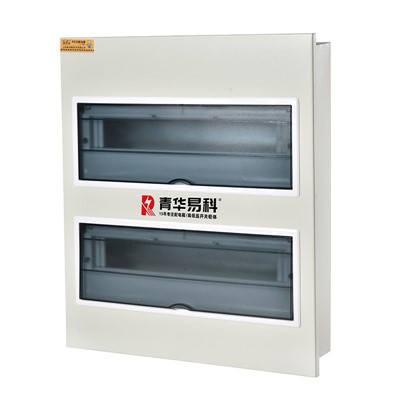
If you’re an electrician, contractor, or even a DIYer tackling a project that needs wiring near water – don’t guess. We’ve got a full line of waterproof junction boxes, custom sizes, and gland configurations, all tested to hold up to real-world conditions. Skip the headache of failing boxes, the callbacks, and the safety risks. Hit us up to chat about your project – we can help you pick the right box, answer any questions, and make sure your job is done right the first time.
Plastic Distribution Box References:
- National Electrical Code (NEC) Article 314 for junction box requirements in wet locations
- International Electrotechnical Commission (IEC) 60529 for IP rating standards
- Underwriters Laboratories (UL) 514B for electrical junction box safety and performance testing
Shandong Qinghua Yike Electric Co., Ltd.
As one of the most experienced electrical accessories manufacturers in China, we also support customized service. We warmly welcome you to buy durable electrical accessories for sale here from our factory. If you have any enquiry about cooperation, please feel free to email us.
Address: No. 378 Taozhuang Village, Zaoyuan Town, Lanshan District, Linyi City, Shandong Province
E-mail: admin@sd-qhyk.com
WebSite: https://www.qhecobox.com/
