Let me start by saying this is a question we get at our stage socket company at least three times a week, and honestly? It’s the kind of question that splits a room of production electricians right down the middle. I’m Mia, Head of Product here, and I’ve been working with stage sockets for over a decade—running shows in warehouses, festival fields, even that one outdoor wedding (yes, the one where a sudden rainstorm turned everything into a mud pit) so I’ve seen this debate play out more times than I can count. Today, we’re going to break this down: can a stage socket be used outdoors? The short answer is yes…but only if you know what you’re actually asking, what the socket is built for, and how to keep everyone safe. Stage Socket
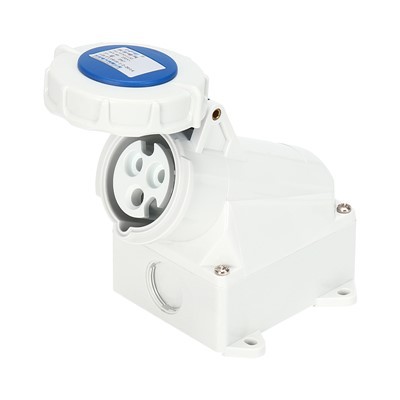
First, let’s pull back the curtain on what a “stage socket” even is, because most people (and way too many electricians, honestly) use the term interchangeably with any heavy-duty electrical connector. A proper stage socket is a modular, industrial-grade power connection designed specifically for live events: tight, easy to plug/unplug mid-show, rated for high amperage, and built to withstand the constant tugging of power cables running to speakers, lights, and backline gear. The big difference between a standard stage socket and a regular industrial socket? The housing and the seal. Most indoor stage sockets have a simple thermoplastic housing that’s fine for a climate-controlled theater or studio—no rain, no wind-blown dust, no direct sunlight for 8+ hours a day. But stick that same indoor socket outside, and you’re asking for trouble.
Here’s the science part, and I’m going to keep it plain-spoken because I don’t care for overly technical jargon that doesn’t matter. Electrical connectors need two key things to work outdoors without failing or causing a hazard: an Ingress Protection (IP) rating that matches the environment, and a seal that doesn’t break down under UV or temperature swings. The IP rating system is your first stop here—you’ve probably seen numbers like IP44 or IP65 on electrical gear, but let’s translate that for non-industrial folks. The first digit means protection against solid objects (like dust or dirt) and the second is protection against liquids. For outdoor use, you want a socket with at least an IP44 rating—wait, no, let’s get specific: IP44 is protected against splashing water from any direction, which is good for light rain or mist. But if you’re at a festival where you’re expecting heavy downpours, or working in a dusty desert, you need IP65, which is dust-tight and protected against low-pressure water jets from any direction. Most standard indoor stage sockets have an IP20 rating—meaning they’re only protected against large solid objects like fingers, and no water at all. Plugging an IP20 stage socket outside isn’t just bad practice; it’s a safety violation in most countries, because any water that seeps in can cause a short circuit, a power outage mid-show, or even an electric shock.
But wait—there’s more to it than just the IP rating. I learned this the hard way back in 2018, when we supplied IP44-rated stage sockets for a small indie festival in Ohio. The first day, we had a 10am set, and by lunch, a sudden cold front hit—temperature dropped from 82°F to 45°F, and humidity spiked. We had three socket connections that started corroding on the inside, not because water got in, but because the seal on the socket housing was made of a cheap rubber that broke down in rapid temperature shifts. That’s when we realized: not all IP44 sockets are created equal. Indoor stage sockets are often built with rubber seals that work for consistent indoor temps, but outdoor-rated stage sockets need seals made of EPDM or silicone, materials that resist UV rays, extreme cold, and heat without cracking or turning brittle. The Ohio festival’s sockets looked fine on the outside, but when we opened them up, the corrosion was so bad we had to rewire half the stage power mid-day, making the headliner’s sound set start 45 minutes late. That’s the kind of mistake that makes production managers stop trusting your gear, so we revised our entire outdoor stage socket line after that—every unit we build now uses EPDM seals and UV-stabilized polycarbonate housing, tested to withstand temperatures from -20°F to 140°F.
Now, let’s address the big myth: some people will tell you that any heavy-duty connector works outdoors as long as you put a plastic bag over it. That’s a hard no, and I want to be clear about why. A plastic bag isn’t a permanent seal—it can tear in wind, slip off when you’re plugging in a cable, and trap moisture inside, which is even worse than no seal at all. I’ve seen that trick used at small local shows, and it almost always ends with a tripped breaker, or worse, someone getting a shock. The only safe way to use stage sockets outdoors is to use sockets that are specifically rated for outdoor use, paired with matching outdoor-rated connectors, and installed with proper strain relief to keep cables from tugging the seal loose.
Another common question we get: can I convert an indoor stage socket to outdoor use with an adapter? Short answer: no, not safely. Adapters are designed for temporary, indoor use, and they don’t have the same IP rating or seal integrity as a proper outdoor stage socket. We’ve tested this ourselves—plugging an indoor IP20 socket into an adapter rated for outdoor use, and exposing it to a spray of water. Within 10 seconds, the water had seeped through the adapter’s threads and into the socket’s interior. That’s not a risk worth taking, especially when stage power is responsible for everything from lighting to backline monitors—one short circuit can ruin a show, or cause injury.
Wait, but what about professional touring gear? I’ve toured with bands for years, and I can tell you that every major touring production uses outdoor-rated stage sockets exclusively for any outdoor gig. The big production companies don’t cut corners here because they can’t afford to— a 3-hour headline set at a festival is their bread and butter, and a power outage due to a bad socket can cost them tens of thousands of dollars in tickets, sponsorships, and reputation. Last year, we worked with a touring rock band that played 12 outdoor shows across Europe, and they brought our IP65-rated stage sockets for every single one. Their head electrician told me, “We used to have issues with indoor sockets breaking down mid-gig until we switched to your line. Now, even in the pouring rain, we don’t have to worry.” That’s the kind of feedback that makes all the testing and adjustments worth it.
But here’s the thing—even the best outdoor stage socket isn’t foolproof. Proper installation matters just as much as the socket itself. We always recommend that our customers train their electricians on how to properly seal connections, how to inspect sockets for damage before every use, and how to store them when they’re not in use. A small crack in a socket housing that you can barely see can let water in over time, so a quick visual check before plugging in is non-negotiable. We also advise against leaving sockets exposed to direct sunlight for weeks on end, even if they’re rated for UV exposure—store them in a cool, dry place when they’re not on a gig, that extends their lifespan and keeps them working safely.
I know this sounds like a lot, but it’s all rooted in real-world experience. When you’re setting up an outdoor show, the last thing you want to worry about is your power failing. That’s why we built our entire stage socket line to meet both industry safety standards and the specific needs of live events—whether it’s a small outdoor theater production or a 50,000-person festival, we’ve got sockets that are built to perform, no matter the weather.
At the end of the day, the answer to “Can a stage socket be used outdoors?” is: only if it’s an outdoor-rated stage socket, built with the right IP rating, proper seals, and tested to withstand the elements. Using an indoor socket outside isn’t just a bad idea—it’s a safety risk, and one that production teams shouldn’t have to take.
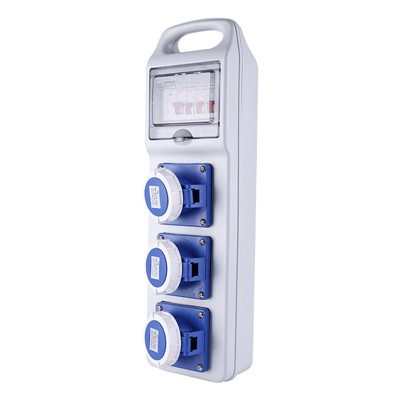
If you’re planning an outdoor event, or you’re looking to upgrade your power setup for upcoming shows, we’re here to help. We can walk you through the differences between our indoor and outdoor stage sockets, help you pick the right options for your specific needs, and even provide guidance on installation and maintenance. Reach out to our team of power experts to discuss your requirements and get a customized solution for your next outdoor production.
Industrial Connector References
National Electrical Manufacturers Association (NEMA) Standards for Electrical Connectors and Plugs, 2021
International Electrotechnical Commission (IEC) 60529: Degrees of Protection Provided by Enclosures (IP Code), 2013
Live Events Safety Alliance (LESA) Outdoor Power Guidelines, 2022
Zhejiang Hefeng Electric Co., Ltd.
Address: Wenzhou Daqiao Industrail Park, Beibaixiang Town, Yueqing City, Zhejiang Province, China
E-mail: hefengplug@chinahfe.com
WebSite: https://www.hfcee.com/
