As a piston kit supplier, I’ve witnessed firsthand the intricate dance of engine components and the crucial role each part plays in ensuring optimal performance. One such component that often goes unnoticed but is of utmost importance is the cylinder head gasket. In this blog post, I’ll delve into the significance of the cylinder head gasket in relation to a piston kit and why understanding this relationship is essential for engine efficiency and longevity. Piston Kit

The Basics: What are Piston Kits and Cylinder Head Gaskets?
Before we explore their relationship, let’s briefly define what piston kits and cylinder head gaskets are. A piston kit typically includes pistons, piston rings, wrist pins, and circlips. Pistons are the heart of the engine’s combustion system, moving up and down within the cylinders to convert the energy from the combustion of fuel and air into mechanical motion. The piston rings seal the gap between the piston and the cylinder wall, preventing the leakage of gases and ensuring efficient compression.
On the other hand, the cylinder head gasket is a thin, flat seal located between the engine block and the cylinder head. Its primary function is to seal the combustion chambers, coolant passages, and oil passages, preventing any leakage of fluids or gases. It also helps to maintain the correct compression ratio within the cylinders, which is essential for the engine to function properly.
The Role of the Cylinder Head Gasket in Relation to a Piston Kit
1. Sealing the Combustion Chamber
The cylinder head gasket plays a vital role in sealing the combustion chamber, where the fuel-air mixture is ignited to produce power. When the piston moves up the cylinder during the compression stroke, it compresses the fuel-air mixture. The cylinder head gasket ensures that this compressed mixture remains within the combustion chamber and does not leak into other areas of the engine. If the gasket fails to seal properly, it can lead to a loss of compression, which can result in reduced engine power, poor fuel efficiency, and even engine misfires.
In a well-functioning engine, the piston moves up and down smoothly within the cylinder, creating a high-pressure environment during the combustion process. The cylinder head gasket acts as a barrier, preventing any of this high-pressure gas from escaping. This ensures that the energy generated by the combustion process is effectively transferred to the piston, which in turn drives the engine.
2. Preventing Fluid Leakage
In addition to sealing the combustion chamber, the cylinder head gasket also prevents the leakage of coolant and oil. Coolant is circulated through the engine to absorb heat and prevent overheating, while oil is used to lubricate the moving parts and reduce friction. The cylinder head gasket has openings that align with the coolant and oil passages in the engine block and cylinder head, allowing these fluids to flow freely while preventing any leakage between them.
If the cylinder head gasket fails, it can cause coolant to leak into the combustion chamber or oil to mix with the coolant. This can lead to a variety of problems, including engine overheating, loss of lubrication, and damage to the engine components. For example, if coolant leaks into the combustion chamber, it can cause steam to form, which can damage the pistons and other engine parts. Similarly, if oil mixes with the coolant, it can reduce the effectiveness of the coolant and lead to engine overheating.
3. Maintaining Compression Ratio
The compression ratio is a critical factor in engine performance. It is defined as the ratio of the volume of the combustion chamber when the piston is at the bottom of its stroke (bottom dead center) to the volume when the piston is at the top of its stroke (top dead center). A higher compression ratio generally results in better fuel efficiency and more power output.
The cylinder head gasket plays a crucial role in maintaining the correct compression ratio. It ensures that the combustion chamber is properly sealed, preventing any loss of compression during the combustion process. If the gasket is damaged or worn, it can cause a decrease in compression ratio, which can lead to reduced engine performance and efficiency.
4. Protecting the Piston and Cylinder Wall
The cylinder head gasket also helps to protect the piston and cylinder wall from damage. During the combustion process, the high-pressure gases generated can cause the piston to exert a significant amount of force on the cylinder wall. The cylinder head gasket acts as a cushion, absorbing some of this force and preventing it from causing excessive wear and tear on the piston and cylinder wall.
In addition, the cylinder head gasket helps to prevent the ingress of contaminants into the combustion chamber. If dirt, debris, or other contaminants enter the combustion chamber, they can cause damage to the piston, piston rings, and cylinder wall. The cylinder head gasket provides a tight seal, preventing these contaminants from entering the engine and causing damage.
The Importance of Compatibility
As a piston kit supplier, I cannot stress enough the importance of compatibility between the piston kit and the cylinder head gasket. The piston kit and cylinder head gasket must be designed to work together seamlessly to ensure optimal engine performance.
When selecting a piston kit and cylinder head gasket, it is essential to consider factors such as the engine type, displacement, and operating conditions. The piston kit should be sized correctly to fit the cylinders, and the piston rings should have the appropriate tension to provide a proper seal. Similarly, the cylinder head gasket should be made of a high-quality material that can withstand the high temperatures and pressures generated by the engine.
Incompatible piston kits and cylinder head gaskets can lead to a variety of problems, including poor sealing, reduced compression, and engine damage. For example, if the piston rings are too loose, they may not provide a proper seal, resulting in a loss of compression. On the other hand, if the piston rings are too tight, they can cause excessive wear on the cylinder wall and piston.
Signs of a Faulty Cylinder Head Gasket
It is important to be aware of the signs of a faulty cylinder head gasket so that it can be replaced promptly. Some common signs of a faulty cylinder head gasket include:
- Overheating: If the engine is overheating, it could be a sign that the cylinder head gasket is leaking coolant into the combustion chamber.
- Loss of Power: A loss of engine power can be caused by a loss of compression due to a faulty cylinder head gasket.
- White Smoke from the Exhaust: White smoke from the exhaust can indicate that coolant is leaking into the combustion chamber and being burned along with the fuel.
- Milky Oil: If the oil appears milky or has a frothy consistency, it could be a sign that coolant is mixing with the oil due to a faulty cylinder head gasket.
- Low Coolant Level: A low coolant level without any visible signs of leakage could indicate that the coolant is leaking into the combustion chamber or oil pan.
If you notice any of these signs, it is important to have your engine inspected by a qualified mechanic as soon as possible. Ignoring a faulty cylinder head gasket can lead to serious engine damage and costly repairs.
Conclusion
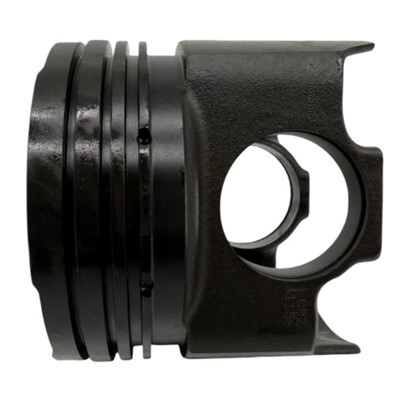
In conclusion, the cylinder head gasket plays a crucial role in relation to a piston kit. It seals the combustion chamber, prevents fluid leakage, maintains the compression ratio, and protects the piston and cylinder wall. As a piston kit supplier, I understand the importance of providing high-quality piston kits and ensuring that they are compatible with the cylinder head gaskets.
Cummins Piston If you are in the market for a piston kit or have any questions about the role of the cylinder head gasket, please don’t hesitate to contact us for further discussion. We are here to help you find the right products for your engine and ensure that it performs at its best.
References
- Heywood, J. B. (1988). Internal Combustion Engine Fundamentals. McGraw-Hill.
- Taylor, C. F. (1985). The Internal Combustion Engine in Theory and Practice: Volume I – Thermodynamics, Fluid Flow, Performance. MIT Press.
- Stone, R. (1999). Introduction to Internal Combustion Engines. Society of Automotive Engineers.
Hebei Yuwei Piston Co., Ltd.
As one of the most professional piston kit manufacturers and suppliers in China, we’re featured by quality products and good service. Please rest assured to buy customized piston kit made in China here from our factory. Also, quotation is available.
Address: Beizhujiacun Village, Sujiuzhuang Town, Ningjin County, Xingtai City, Hebei Province
E-mail: jack@ywpiston.com
WebSite: https://www.ywpiston.com/
