Hey there! As an OPS PC vendor, I’m super stoked to chat with you about the ports these nifty little machines come equipped with. OPS PCs, short for Open Pluggable Specification PCs, are becoming more and more popular in various industries, from digital signage to education. And a big part of their appeal lies in the wide range of ports they offer, which allow for all sorts of connectivity and functionality. So, let’s dive right in and take a closer look at what ports you can expect to find on an OPS PC. OPS PC
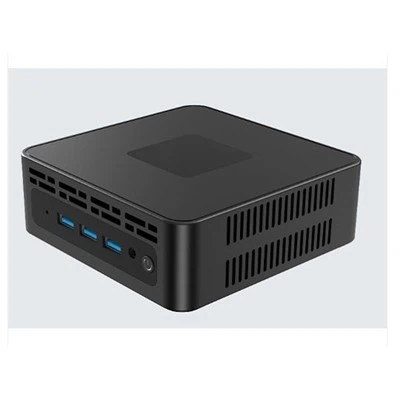
USB Ports
USB ports are probably the most common ports you’ll find on any computer, and OPS PCs are no exception. These ports are incredibly versatile and can be used to connect a wide variety of devices, such as keyboards, mice, external hard drives, flash drives, and printers. Most OPS PCs come with multiple USB ports, usually a mix of USB 2.0 and USB 3.0 or even USB 3.1 Gen 1 ports.
USB 2.0 ports are the older standard and offer a maximum data transfer speed of 480 Mbps. They’re still useful for connecting devices that don’t require high-speed data transfer, like keyboards and mice. On the other hand, USB 3.0 and 3.1 Gen 1 ports offer much faster data transfer speeds of up to 5 Gbps, making them ideal for connecting external hard drives and other high-speed devices. Some OPS PCs may even have USB Type-C ports, which offer even faster data transfer speeds and can also be used to charge the device.
HDMI Ports
HDMI ports are another essential port on an OPS PC. These ports are used to connect the computer to a monitor, TV, or other display device. HDMI stands for High-Definition Multimedia Interface, and it allows for the transmission of high-quality audio and video signals. Most OPS PCs come with at least one HDMI port, and some may have two or more.
HDMI ports support a wide range of resolutions, including 1080p, 4K, and even 8K in some cases. This means you can connect your OPS PC to a high-resolution display and enjoy crisp, clear images and videos. Some HDMI ports also support features like HDR (High Dynamic Range) and HDCP (High-Bandwidth Digital Content Protection), which enhance the visual experience and protect copyrighted content.
DisplayPort
In addition to HDMI ports, many OPS PCs also come with DisplayPort ports. DisplayPort is another digital video interface that offers similar functionality to HDMI but with some additional features. Like HDMI, DisplayPort allows for the transmission of high-quality audio and video signals and supports a wide range of resolutions, including 4K and 8K.
One of the advantages of DisplayPort over HDMI is its support for higher refresh rates. This means you can enjoy smoother, more fluid visuals, especially when playing games or watching fast-paced videos. DisplayPort also supports Multi-Stream Transport (MST), which allows you to connect multiple displays to a single DisplayPort output. This is great for creating a multi-monitor setup for work or gaming.
Ethernet Port
An Ethernet port is a must-have for any OPS PC that needs to connect to a network. Ethernet ports are used to connect the computer to a local area network (LAN) or the internet. Most OPS PCs come with at least one Gigabit Ethernet port, which offers a maximum data transfer speed of 1 Gbps. This is more than enough for most home and office networks.
Having an Ethernet connection is important because it provides a more stable and reliable internet connection compared to Wi-Fi. It’s also faster, which is especially important if you need to transfer large files or stream high-definition content. Some OPS PCs may also come with a 10 Gigabit Ethernet port, which offers even faster data transfer speeds but is usually only found in high-end models.
Audio Ports
Audio ports are essential for any OPS PC that needs to play sound or record audio. Most OPS PCs come with a combination audio jack, which can be used to connect headphones or speakers for listening to audio. Some OPS PCs may also have a separate microphone jack for recording audio.
In addition to the standard audio jacks, some OPS PCs may also come with optical audio ports, which allow for the transmission of digital audio signals. Optical audio ports are commonly used to connect the computer to a home theater system or a soundbar for a better audio experience.
Serial Ports
Serial ports are less common on modern computers but can still be found on some OPS PCs, especially those used in industrial or legacy applications. Serial ports are used to communicate with devices that use the serial communication protocol, such as barcode scanners, printers, and industrial control systems.
Serial ports offer a relatively slow data transfer speed compared to other ports, but they’re still useful for connecting devices that don’t require high-speed data transfer. Some OPS PCs may have one or more RS-232 serial ports, which are the most common type of serial port.
Other Ports
In addition to the ports mentioned above, some OPS PCs may also come with other ports, depending on their specific features and intended use. For example, some OPS PCs may have an SD card reader, which allows you to read and write data from SD cards. This is useful for transferring photos, videos, and other files between the computer and a camera or other device.
Some OPS PCs may also have a VGA port, which is an older analog video interface. VGA ports are still used in some legacy applications, such as connecting to older monitors or projectors. However, they’re becoming less common as more and more devices are switching to digital interfaces like HDMI and DisplayPort.
Why These Ports Matter
Now that you know what ports are available on an OPS PC, you might be wondering why they matter. Well, the ports on an OPS PC determine its connectivity and functionality. They allow you to connect the computer to a wide variety of devices, which expands its capabilities and makes it more versatile.
For example, if you’re using an OPS PC for digital signage, you’ll need to connect it to a display device using an HDMI or DisplayPort. You may also need to connect it to a network using an Ethernet port to update the content on the signage. If you’re using an OPS PC for education, you may need to connect it to a projector or interactive whiteboard using an HDMI or VGA port. You may also need to connect it to a keyboard, mouse, and speakers using USB and audio ports.
Conclusion

In conclusion, the ports on an OPS PC are an important factor to consider when choosing a computer. They determine its connectivity and functionality, and having the right ports can make a big difference in how you use the computer. As an OPS PC vendor, I can help you choose the right OPS PC with the ports you need for your specific application. Whether you’re using it for digital signage, education, or any other purpose, I can provide you with a high-quality OPS PC that meets your needs.
All in One PC 27 Inch If you’re interested in purchasing an OPS PC or have any questions about the ports or other features, feel free to reach out to me. I’d be happy to chat with you and help you find the perfect OPS PC for your needs. Let’s start a conversation and see how we can work together to get you the best OPS PC solution!
References
- Various technical documentation from OPS PC manufacturers.
- Industry research on OPS PC standards and connectivity.
Shenzhen HJS Technology Group
Shenzhen HJS Technology Group is one of the most experienced ops pc manufacturers and suppliers in China, featured by quality products and good service. Please rest assured to buy CE approved ops pc made in China here from our factory. For price consultation, contact us.
Address: F10, Wanhe Technology Building C, No. 7 HuiTong Road, Fenghuang Street, Guangming New District, Shenzhen. China.
E-mail: info@hjs-pc.com
WebSite: https://www.hjs-pc.com/
