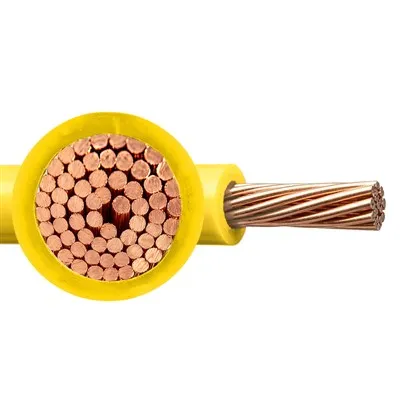
In the dynamic world of electronics and electrical systems, cable harness assemblies play a pivotal role. As a seasoned supplier of cable harness assemblies, I’ve witnessed firsthand the increasing demand for smaller, more compact solutions. In this blog post, I’ll share some practical strategies on how to reduce the size of cable harness assemblies, which not only meets the current market trends but also offers numerous benefits to our clients. Cable Harness Assemblies
The Importance of Size Reduction in Cable Harness Assemblies
Before delving into the methods of size reduction, it’s essential to understand why it matters. In today’s technology – driven era, electronic devices are becoming smaller and more portable. From smartphones to wearable devices, there is a constant push towards miniaturization. Cable harnesses, being an integral part of these devices, need to adapt to this trend.
Smaller cable harness assemblies save space within the device, allowing for more components to be packed in a limited area. This can lead to enhanced functionality and performance. Additionally, reduced size often translates to lower weight, which is crucial for applications where weight is a concern, such as aerospace and automotive industries. Moreover, smaller harnesses can be more cost – effective as they require less material, and they are also easier to install and manage.
Selecting the Right Wires and Cables
One of the fundamental steps in reducing the size of cable harness assemblies is the careful selection of wires and cables. There are several factors to consider when making these choices.
Gauge Selection
The gauge of a wire refers to its thickness. Thinner wires (higher gauge numbers) take up less space and are lighter. However, it’s important to ensure that the selected gauge can handle the required electrical current without overheating. For low – power applications, such as in some consumer electronics, a higher gauge wire can be used. For example, in a small Bluetooth earbud, a 30 – gauge or even higher wire can be sufficient to carry the low – current signals.
Insulation Material
The type of insulation material also affects the overall size of the cable. Some insulation materials are thinner and more flexible than others. For instance, Teflon insulation is known for its excellent electrical properties and relatively thin profile. It can be a great choice when space is at a premium. On the other hand, rubber insulation is thicker and more durable but may not be the best option for size – critical applications.
Multiconductor Cables
Using multiconductor cables can significantly reduce the size of the harness. Instead of having multiple individual wires, a single multiconductor cable can carry multiple signals or power lines. This reduces the overall number of cables in the harness, leading to a more compact design. For example, in a data transmission cable for a computer, a multiconductor cable can carry multiple data lines, power lines, and ground lines in one package.
Optimizing the Cable Routing
Proper cable routing is another key aspect of reducing the size of cable harness assemblies. Here are some strategies for effective cable routing.
Straight and Short Routes
The shortest distance between two points is a straight line, and this principle applies to cable routing as well. By minimizing the length of the cables, we can reduce the overall size of the harness. Avoiding unnecessary bends and loops can also save space. For example, in a printed circuit board (PCB) assembly, cables should be routed in a direct path between the components they connect.
Bundling and Organizing
Bundling cables together in an organized manner can make the harness more compact. There are various ways to bundle cables, such as using cable ties, sleeves, or braids. Cable ties are a simple and cost – effective way to keep cables together. Sleeves and braids not only bundle the cables but also provide protection. When bundling, it’s important to group cables with similar functions or characteristics together. For example, power cables can be bundled separately from signal cables.
3D Routing
In complex systems, 3D routing can be used to optimize the cable layout. This involves using computer – aided design (CAD) software to plan the cable paths in three dimensions. 3D routing allows for the identification of the most efficient routes, taking into account the physical constraints of the device. For example, in an automotive dashboard, 3D routing can be used to ensure that the cable harnesses fit neatly within the limited space available.
Designing the Connector and Terminal
Connectors and terminals are important components of cable harness assemblies, and their design can have a significant impact on the overall size.
Miniature Connectors
There is a wide range of miniature connectors available in the market. These connectors are designed to take up less space while still providing reliable electrical connections. For example, in a small medical device, a miniature connector can be used to connect the cable harness to the main circuit board. These connectors often have a high pin density, allowing for multiple connections in a small area.
Terminal Size
The size of the terminals also affects the overall size of the harness. Smaller terminals can be used to reduce the space occupied by the connections. However, it’s important to ensure that the terminals can handle the required current and provide a secure connection. For example, in a low – power electronic device, a small – sized terminal can be used to connect the wires to the connector.
Connector Configuration
The configuration of the connector can also be optimized for size reduction. For example, a right – angle connector can be used to save space in a tight corner. This type of connector allows the cable to exit at a 90 – degree angle, which can be useful in applications where space is limited.
Using Advanced Manufacturing Techniques
Advanced manufacturing techniques can also contribute to the size reduction of cable harness assemblies.
Automated Assembly
Automated assembly processes can produce more precise and compact cable harnesses. Automated machines can cut, strip, and terminate wires with high accuracy, reducing the amount of extra material used. For example, an automated wire – cutting machine can cut the wires to the exact length required, eliminating any excess.
Micro – molding
Micro – molding is a technique used to create small, precise components for cable harnesses. This can be used to create custom – shaped connectors or protective covers. Micro – molding allows for the production of components with very small dimensions, which can help in reducing the overall size of the harness.
Flex Circuit Integration
Flex circuits are flexible printed circuit boards that can be integrated into cable harness assemblies. They can carry multiple signals and power lines in a thin, flexible package. By using flex circuits, the number of individual wires in the harness can be reduced, leading to a more compact design. For example, in a foldable smartphone, a flex circuit can be used to connect the different parts of the device, taking up less space compared to traditional cable harnesses.
Conclusion
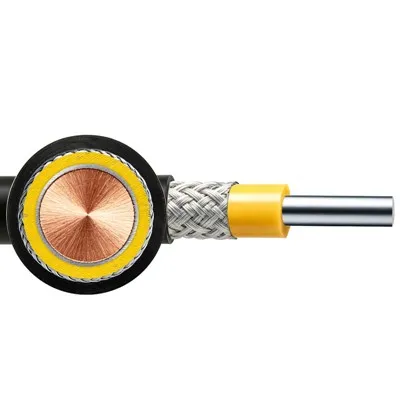
Reducing the size of cable harness assemblies is a multi – faceted process that involves careful selection of wires and cables, optimizing cable routing, designing the connector and terminal, and using advanced manufacturing techniques. As a cable harness assemblies supplier, I’m committed to providing our clients with the most compact and efficient solutions.
Cable Assemblies & Accessories If you’re in the market for cable harness assemblies and are looking for ways to reduce the size of your designs, I’d love to have a discussion with you. Our team of experts can work with you to understand your specific requirements and develop customized solutions that meet your needs. Contact us to start a procurement discussion and take your projects to the next level.
References
- Grob, Bernard. "Basic Electronics." McGraw – Hill Education, 2017.
- Johnson, Howard W., and Martin Graham. "High – Speed Signal Propagation: Advanced Black Magic." Prentice Hall, 2003.
- Madhusudana, C. V. "Heat Transfer in Electronic Equipment." CRC Press, 2012.
Yangzhou Huayu Cable Co., Ltd.
Yangzhou Huayu Cable Co., Ltd. is one of the most professional cable harness assemblies manufacturers and suppliers in China, also supports customized service with low price. Please feel free to wholesale advanced cable harness assemblies made in China here from our factory. Contact us for pricelist.
Address: No. 9 Jingang Road, Yangzhou City, Jiangsu Province, China
E-mail: huayucableco@126.com
WebSite: https://www.huayucabletech.com/
