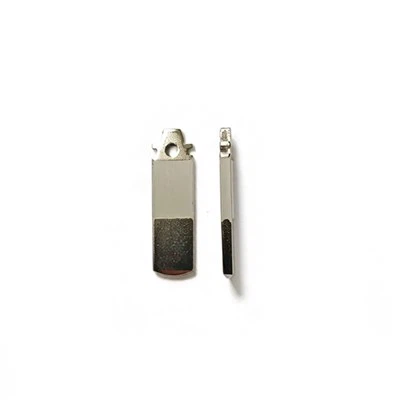
Hey there! I’m a supplier of SA Standard Plug Pins, and I’ve been in this business for quite some time. Over the years, I’ve seen a bunch of common problems that customers often face with these plug pins. So, I thought I’d share some of these issues with you all in this blog post. Sa Standard Plug Pin
1. Incompatibility Issues
One of the most frequent problems is incompatibility. SA Standard Plug Pins are designed to fit specific sockets according to South African electrical standards. But sometimes, people try to use them in non – compliant sockets. For example, if you’re traveling or you’ve got an imported appliance with a different plug standard, you might run into trouble.
I’ve had customers come to me saying that their plug pins won’t fit into the sockets in their new homes. They might have moved into a place that was built a long time ago, and the sockets haven’t been updated to the current SA standards. Or, they’ve bought a second – hand appliance from a different region, and the plug just doesn’t match.
Another aspect of incompatibility is with power boards. Some cheap or outdated power boards may not be designed to handle the SA Standard Plug Pins properly. The pins might not make a good connection, which can lead to power interruptions or even pose a safety hazard.
2. Wear and Tear
Wear and tear is a biggie. The plug pins take a lot of stress every time you plug and unplug them. Over time, the metal can start to bend or break. I’ve seen customers bring in plug pins that look all wonky. The constant insertion and removal cause the pins to loosen up in the plug body, too.
The environment also plays a role in wear and tear. If the plug pins are exposed to moisture, like in a damp bathroom or a basement, they can start to rust. Rust not only damages the pins but can also interfere with the electrical connection. And once rust sets in, it can spread quickly, making the problem even worse.
High – power appliances can also cause accelerated wear. Appliances like heaters and air conditioners draw a lot of current. The extra stress on the plug pins can lead to overheating, which in turn weakens the metal and makes the pins more prone to damage.
3. Poor Electrical Contact
Poor electrical contact is a common headache. Sometimes, when the plug pins are inserted into the socket, they don’t make a solid connection. This can be due to a variety of reasons. As I mentioned before, bent or worn – out pins are a major culprit. If the pins aren’t straight, they won’t fit snugly into the socket, resulting in a loose connection.
The socket itself can also be the problem. Over time, the contacts inside the socket can wear out or become dirty. Dust, dirt, and debris can accumulate in the socket, preventing the plug pins from making a proper electrical connection. This poor contact can lead to flickering lights, intermittent power supply, or even damage to the appliance.
4. Safety Concerns
Safety is always a top priority, but there are several safety issues associated with SA Standard Plug Pins. Loose or damaged plug pins can create sparks when plugged in or unplugged. These sparks can be a fire hazard, especially if there are flammable materials nearby.
And then there’s the risk of electric shock. If the insulation on the plug or the cord is damaged, or if the plug pins are exposed due to wear and tear, you could get shocked if you accidentally touch them. Many people don’t pay enough attention to these safety risks, which can have serious consequences.
5. Quality of Materials
The quality of materials used in the plug pins can make a huge difference. Cheaper plug pins are often made from low – grade metals that are more likely to bend, break, or corrode. I’ve seen a lot of products on the market where the pins start to rust after just a few months of use.
Good quality plug pins are made from high – conductivity metals like copper, which ensures a stable electrical connection. They also have proper insulation to prevent electrical leakage. But some suppliers cut corners to save costs, and this can lead to a whole host of problems for the end – user.
Solutions and How We Can Help
So, what can you do about these problems? Well, if you’ve got a problem with incompatibility, I can offer you adapter solutions. We have a range of adapters that can help you use SA Standard Plug Pins in different types of sockets.
For wear and tear, we offer high – quality replacement plug pins. Our pins are made from top – notch materials that are resistant to bending, breaking, and rusting. If you’re worried about poor electrical contact, we can also provide you with tips on how to clean your sockets and ensure a proper connection.
When it comes to safety concerns, we take it very seriously. Our products are tested to meet the highest safety standards. We also offer advice on how to use and maintain your plug pins safely.
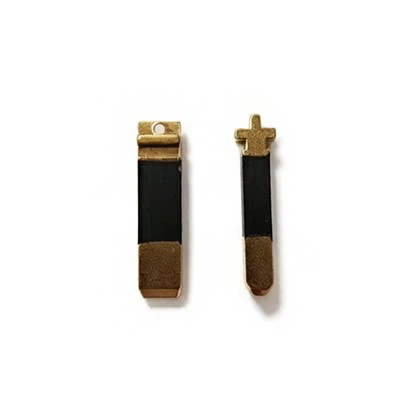
Eu Standard Plug Pin If you’re in the market for SA Standard Plug Pins or need solutions to the problems I’ve mentioned above, don’t hesitate to reach out to me. I’m here to help you get the best products and ensure a smooth and safe electrical experience. Whether you’re a homeowner looking for a replacement plug or a business in need of bulk orders, I’ve got you covered. Let’s get in touch and discuss your requirements.
References
- Electrical Safety Regulations in South Africa, Department of Mineral Resources and Energy
- Handbook on Electrical Appliance Maintenance and Safety
Dongguan Fangrun Metal Products Co., Ltd.
We’re well-known as one of the leading sa standard plug pin manufacturers in China, specialized in providing high quality customized products. Please feel free to buy discount sa standard plug pin made in China here from our factory. For quotation and free sample, contact us now.
Address: New Town Industrial Zone,Xiegang Village,Xie Gang Town,Dongguan City
E-mail: 825556703@qq.com
WebSite: https://www.fangrunpin.com/
