Hey there! I’m a supplier in the castings business, and today I wanna talk about the challenges we face when casting high-temperature alloys. It’s a topic that’s super important in our industry, and I’ve got a lot of hands-on experience to share. Castings

First off, let’s understand what high-temperature alloys are. These are special materials that can withstand really high temperatures without losing their strength or shape. They’re used in all sorts of high-tech stuff, like jet engines, gas turbines, and even some parts of nuclear reactors. But casting these alloys is no walk in the park.
One of the biggest challenges is the melting process. High-temperature alloys have really high melting points, sometimes way above 2000 degrees Celsius. That means we need some seriously powerful furnaces to get them molten. And it’s not just about reaching the right temperature; we also have to make sure the heat is evenly distributed throughout the alloy. If there are hot spots or cold spots, it can lead to all sorts of problems, like uneven solidification and cracks in the final casting.
Another issue is the reactivity of these alloys. When they’re in a molten state, they can react with the atmosphere around them. Oxygen, nitrogen, and other gases in the air can cause oxidation and contamination, which can weaken the alloy and affect its performance. To prevent this, we often use special atmospheres, like argon or vacuum, during the casting process. But controlling these atmospheres is tricky. We need to make sure there are no leaks in the casting chamber, and we have to monitor the gas composition constantly.
The viscosity of high-temperature alloys is also a pain. They’re much thicker and stickier than regular metals when they’re molten. This makes it difficult to pour them into the molds. If the alloy doesn’t flow smoothly, it can result in incomplete fillings, air pockets, or other defects in the casting. We have to design the molds carefully, with the right gating and riser systems, to help the alloy flow properly. And sometimes, we even have to use special additives to reduce the viscosity, but finding the right ones can be a trial-and-error process.
Once the alloy is in the mold, the solidification process is another challenge. High-temperature alloys cool down at different rates in different parts of the casting. This can cause internal stresses, which can lead to cracking or warping. To manage this, we have to control the cooling rate very precisely. We might use things like cooling jackets or heat sinks to make sure the casting cools evenly. But it’s not always easy to predict how the alloy will behave during solidification, especially for complex-shaped castings.
Quality control is a huge part of casting high-temperature alloys. We need to make sure that every single casting meets the strict quality standards. This involves a lot of testing and inspection. We use non-destructive testing methods, like ultrasonic testing and X-ray inspection, to check for internal defects. And we also do mechanical testing to measure the strength and other properties of the alloy. But these tests are time-consuming and expensive. And if a casting fails the quality control, we have to scrap it, which is a big waste of time and money.
Cost is always a factor in the casting business. High-temperature alloys are expensive materials, and the casting process itself is also costly. The energy required to melt the alloys, the special equipment needed for the casting, and the quality control measures all add up. We have to find ways to reduce costs without sacrificing quality. This might involve optimizing the casting process, using more efficient equipment, or finding alternative materials. But it’s a constant balancing act.
Now, let’s talk about the skills and expertise needed. Casting high-temperature alloys requires a high level of knowledge and experience. Our team has to understand the properties of the alloys, the casting process, and the quality control methods. We need to be able to troubleshoot problems quickly and make adjustments on the fly. And as technology advances, we also have to keep learning and updating our skills. It’s not easy to find people with the right skills, and training new employees takes time and resources.
Despite all these challenges, casting high-temperature alloys is a rewarding business. These alloys are in high demand in many industries, and if we can produce high-quality castings, we can build a great reputation and grow our business.
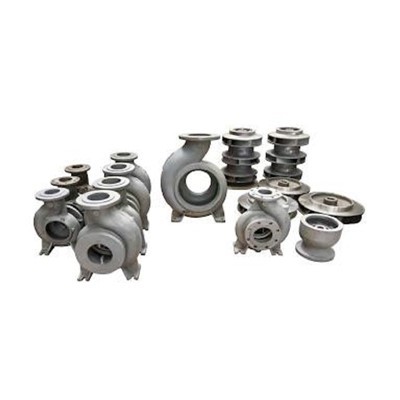
If you’re in the market for high-temperature alloy castings, I’d love to have a chat with you. Whether you’re looking for a specific part or need some advice on the casting process, I’m here to help. Let’s work together to find the best solutions for your needs.
Pump Impeller References
-ASM Handbook Volume 15: Casting
-Welding and Casting of High-Temperature Alloys by John Wiley & Sons
Shandong Shunye Stainless Steel Co., Ltd.
Shandong Shunye Stainless Steel Co., Ltd. is one of the most professional castings manufacturers and suppliers in China, also supports customized service. Welcome to buy bulk cheap castings made in China here and get quotation from our factory. For price consultation, contact us.
Address: Shandong Province, Binzhou City, Wudi County, Liubao Town, Zhangdong Road, Duliucun Village
E-mail: sales@wdshunye.com
WebSite: https://www.shunyecasting.com/
