As a well – versed supplier in the realm of power distribution cabinets, I understand the paramount importance of proper grounding. In this blog, I’ll delve into the grounding requirements for power distribution cabinets, offering insights from a practical and technical perspective. Power Distribution Cabinet
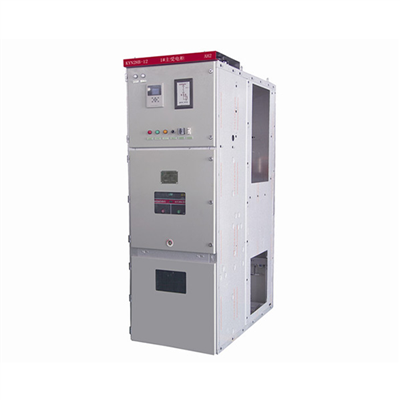
Fundamental Understanding of Grounding in Power Distribution Cabinets
Grounding is a safety mechanism that provides a low – resistance path for electrical current to flow into the earth. In the context of power distribution cabinets, it serves multiple crucial functions. First and foremost, it protects personnel from electric shock. When a fault occurs, such as a short – circuit where live conductors come into contact with the cabinet’s metallic enclosure, grounding ensures that the electrical current is safely diverted to the ground, preventing potentially lethal voltages from building up on the cabinet surface.
Secondly, grounding helps equipment operation stability. It reduces electrical noise and interference, allowing the power distribution cabinet to function smoothly. By providing a reference point for electrical potential, grounding helps maintain a balanced electrical system, reducing the risk of malfunction due to voltage fluctuations.
Types of Grounding for Power Distribution Cabinets
System Grounding
System grounding involves connecting the neutral point of the power supply system to the ground. In a three – phase power system, for example, the star – connected neutral point is grounded. This type of grounding is essential for the proper operation of the electrical system. It helps in limiting the voltage to ground during normal and fault conditions. When a single – phase – to – ground fault occurs, system grounding allows the protective devices (such as circuit breakers or fuses) to detect the fault and trip, isolating the faulty section from the rest of the system.
Equipment Grounding
Equipment grounding is the connection of the non – current – carrying metal parts of the power distribution cabinet, such as the enclosure, frames, and supports, to the ground. This is done mainly for safety reasons. If a live wire accidentally comes into contact with the cabinet’s metalwork, the equipment grounding provides a path for the fault current to flow, causing the protective device to activate and cut off the power supply.
Grounding Resistance Requirements
The grounding resistance is a key parameter in evaluating the effectiveness of a grounding system for power distribution cabinets. Generally, the grounding resistance should be as low as possible. In most common industrial applications, the grounding resistance of power distribution cabinets is required to be less than 4 ohms.
A lower grounding resistance ensures that in the event of a fault, a large enough fault current can flow through the grounding path. This allows the protective devices to quickly detect and interrupt the circuit. For high – voltage power distribution cabinets or in particularly sensitive electrical systems, even stricter requirements may apply, with the grounding resistance possibly required to be less than 1 ohm.
Grounding Materials and Installation
Grounding Electrodes
Common grounding electrodes used for power distribution cabinets include copper rods, galvanized steel pipes, and grounding plates. Copper rods are popular due to their excellent electrical conductivity and corrosion resistance. They are usually buried vertically in the ground. The depth of burial should be sufficient to ensure good contact with the soil. A typical depth for copper grounding rods is around 2.5 – 3 meters.
Galvanized steel pipes can also be used as grounding electrodes. They are relatively inexpensive and have good mechanical strength. Grounding plates, usually made of copper or steel, are placed horizontally in the ground. They provide a larger contact area with the soil, which helps reduce grounding resistance.
Grounding Conductors
The grounding conductors are used to connect the power distribution cabinet to the grounding electrodes. The size of the grounding conductor is determined by the magnitude of the fault current that it may carry. For low – voltage power distribution cabinets in small – scale applications, a conductor with a cross – sectional area of around 6 – 10 square millimeters may be sufficient. For larger – scale industrial power distribution cabinets, conductors with larger cross – sectional areas, such as 25 – 50 square millimeters, may be required.
During installation, the grounding conductors should be securely connected to both the cabinet and the grounding electrodes. Proper compression connectors or welding methods should be used to ensure a low – resistance connection. Additionally, the grounding conductors should be protected from mechanical damage and corrosion.
Environmental Considerations
The soil conditions play a significant role in determining the grounding performance. Different types of soil have different electrical resistivities. For example, moist soil generally has a lower resistivity compared to dry soil. In areas with high – resistivity soil, such as sandy or rocky regions, additional measures may be required to reduce the grounding resistance.
One approach is to use chemical grounding enhancers. These substances are mixed with the soil around the grounding electrodes to lower its resistivity. Another option is to increase the number of grounding electrodes or use a grounding grid layout. A grounding grid consists of multiple interconnected grounding electrodes, which provides a larger surface area in contact with the soil and helps reduce the overall grounding resistance.
Testing and Maintenance
Regular testing of the grounding system is crucial to ensure its continued effectiveness. Grounding resistance testing should be carried out at least once a year, or more frequently in harsh environments or high – importance electrical systems. Specialized grounding resistance testers are used for this purpose.
During the test, the tester applies a known current to the grounding system and measures the resulting voltage. By using Ohm’s law (R = V/I), the grounding resistance can be calculated. If the measured resistance exceeds the specified limit, corrective actions such as adding more grounding electrodes or inspecting and repairing damaged grounding conductors should be taken.
Maintenance also involves visual inspections of the grounding system. Check for any signs of corrosion, loose connections, or physical damage to the grounding conductors and electrodes. Any issues should be addressed promptly to prevent potential safety hazards.
Conclusion
Proper grounding is a non – negotiable aspect of power distribution cabinet design and operation. Adhering to the appropriate grounding requirements not only protects personnel from electrical hazards but also ensures the reliable and stable operation of the electrical system.
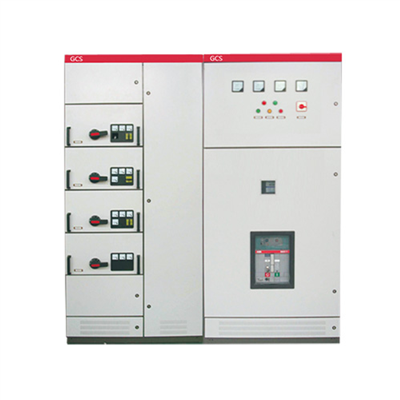
As a power distribution cabinet supplier, I am committed to providing high – quality products that meet all the necessary grounding standards. Our team of experts can assist you in understanding and implementing the right grounding solutions for your specific application. Whether you are dealing with a small – scale commercial installation or a large – scale industrial project, we have the knowledge and experience to support you.
Compact Substation If you are in the market for power distribution cabinets and need in – depth advice on grounding or any other related aspects, I invite you to reach out for a discussion. We are eager to engage in procurement talks and provide you with solutions that are tailored to your unique needs.
References
- IEEE Std 142 – 2007, IEEE Recommended Practice for Grounding of Industrial and Commercial Power Systems
- NEC (National Electrical Code) 2020, Article 250 – Grounding and Bonding
- IEC 61439 – 1:2011, Low – voltage switchgear and controlgear assemblies – Part 1: General rules
- EPRI (Electric Power Research Institute) publications on power system grounding and safety
Anhui Xinchen Electrical Equipment Co., Ltd.
We are one of the most reliable power distribution cabinet manufacturers and suppliers in China, specialized in providing high quality customized products. We warmly welcome you to buy bulk power distribution cabinet for sale here from our factory. Contact us for quotation.
Address: No. 8, Waihuan South Road, Economic and Technical Development Zone, Ningguo City, Xuancheng City, Anhui Province
E-mail: xinchen0316@126.com
WebSite: https://www.cn-xinchen.com/
