When it comes to cooking, the combination of a saucepan and a gas stove is a classic choice for many home cooks and professional chefs alike. As a saucepan supplier, I often get asked the question: Can I use a saucepan on a gas stove? The answer is a resounding yes, but there are several important factors to consider to ensure a safe and efficient cooking experience. Saucepan
Compatibility of Saucepans with Gas Stoves
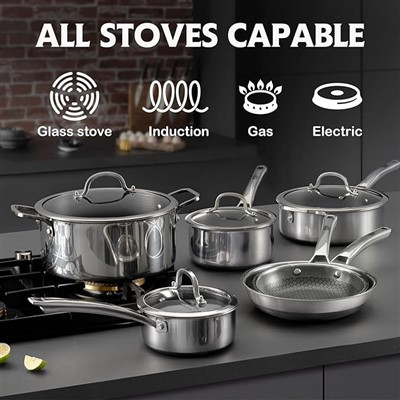
Most saucepans are designed to be used on a variety of stovetops, including gas stoves. However, not all saucepans are created equal, and some may be better suited for gas stoves than others. The key factor to consider is the material of the saucepan.
Stainless Steel Saucepans
Stainless steel is a popular choice for saucepans due to its durability, resistance to corrosion, and ease of cleaning. It is also compatible with gas stoves. Stainless steel saucepans heat up relatively quickly and distribute heat evenly, which is essential for cooking a variety of dishes. However, pure stainless steel can have some hot spots, so many high – quality stainless – steel saucepans are designed with an aluminum or copper core at the bottom to improve heat distribution.
Aluminum Saucepans
Aluminum is an excellent conductor of heat, which means it heats up very quickly. This makes aluminum saucepans a great option for gas stoves. They are also lightweight, which can be convenient for handling. However, aluminum can react with acidic foods, so it is often coated with a non – reactive material such as stainless steel or a non – stick coating.
Copper Saucepans
Copper is one of the best conductors of heat among common metals. Copper saucepans heat up rapidly and allow for precise temperature control, making them ideal for gas stoves, especially for tasks that require delicate cooking, such as making sauces. However, copper is relatively soft and can be easily scratched, and it also requires regular polishing to maintain its appearance.
Cast Iron Saucepans
Cast iron saucepans are heavy and retain heat well. They can withstand high temperatures on a gas stove and are great for slow – cooking and searing. However, they need to be seasoned properly to prevent rusting and require more maintenance compared to other types of saucepans.
Advantages of Using a Saucepan on a Gas Stove
There are several advantages to using a saucepan on a gas stove:
Immediate Heat Control
One of the biggest advantages of gas stoves is the ability to have immediate control over the heat. With a simple turn of the knob, you can increase or decrease the flame, allowing for precise temperature adjustments. This is particularly useful when cooking with a saucepan, as different recipes require different heat levels. For example, when making a delicate custard, you need to be able to lower the heat quickly to prevent the custard from curdling.
Even Heat Distribution
As mentioned earlier, many saucepans are designed to distribute heat evenly, and when used on a gas stove, this property is further enhanced. The open flame of a gas stove can surround the bottom of the saucepan, providing a more even heat source compared to some electric stoves. This results in more consistent cooking and better – tasting food.
Versatility
Gas stoves offer a wide range of heat settings, from a gentle simmer to a high – heat boil. This versatility makes them suitable for a variety of cooking methods, such as sautéing, simmering, boiling, and reducing. Whether you are making a simple pasta sauce or a complex stew, a saucepan on a gas stove can handle the task.
Precautions When Using a Saucepan on a Gas Stove
While using a saucepan on a gas stove is generally safe, there are some precautions to take:
Size of the Saucepan
It is important to use a saucepan that is the appropriate size for the burner on your gas stove. If the saucepan is too small, the flame may extend beyond the bottom of the pan, which can be a fire hazard. On the other hand, if the saucepan is too large, it may not heat evenly, and the edges of the pan may not receive enough heat.
Stability
Make sure the saucepan is stable on the burner. A wobbly saucepan can cause spills and accidents. Check that the burner grates are clean and level, and that the saucepan sits securely on them.
Ventilation
Gas stoves produce carbon monoxide, a colorless and odorless gas that can be dangerous if inhaled in large quantities. Always ensure that your kitchen is well – ventilated when using a gas stove. You can open a window or turn on the exhaust fan to remove any fumes.
Monitoring
Never leave a saucepan unattended on a gas stove. Accidents can happen quickly, and a small flame can turn into a large fire if not monitored. Keep an eye on the cooking process and be prepared to turn off the gas if necessary.
Maintenance of Saucepans and Gas Stoves
Proper maintenance of both the saucepan and the gas stove is essential for a long – lasting and safe cooking experience.
Saucepan Maintenance
- Cleaning: After each use, wash the saucepan with warm soapy water and a soft sponge. Avoid using abrasive cleaners or scouring pads, as they can scratch the surface of the saucepan.
- Storage: Store the saucepan in a dry place to prevent rusting. If the saucepan has a non – stick coating, be careful not to stack it with other hard objects that could scratch the coating.
- Seasoning (for cast iron): If you have a cast iron saucepan, season it regularly to maintain its non – stick properties and prevent rusting.
Gas Stove Maintenance
- Cleaning: Regularly clean the burner grates and the burner ports to prevent blockages. Use a soft brush to remove any debris, and soak the grates in warm soapy water to remove stubborn stains.
- Inspection: Check the gas connections and hoses regularly for any signs of damage or leaks. If you smell gas or suspect a leak, turn off the gas supply immediately and contact a professional.
Conclusion
Frying Pan In conclusion, using a saucepan on a gas stove is a great option for cooking a wide variety of dishes. With the right choice of saucepan material, proper precautions, and regular maintenance, you can enjoy a safe and efficient cooking experience. As a saucepan supplier, I am committed to providing high – quality saucepans that are suitable for gas stoves. If you are in the market for a new saucepan or have any questions about using saucepans on gas stoves, I encourage you to reach out to me. We can discuss your specific needs and find the perfect saucepan for your kitchen. Whether you are a home cook or a professional chef, having the right tools can make all the difference in your cooking. So, don’t hesitate to start exploring our range of saucepans and take your cooking to the next level.
References
- "The Science of Cooking" by Harold McGee
- "Professional Cooking" by Wayne Gisslen
- "Cook’s Illustrated" magazine issues on stovetop cooking
Zhejiang Nanyue Kitchenware Co., Ltd.
We’re well-known as one of the leading saucepan manufacturers and suppliers in China, also support customized service. Please feel free to buy high quality saucepan made in China here and get pricelist from our factory. For price consultation, contact us.
Address: Located inside Zhejiang Jialiyuan Industry and Trade Co., Ltd. (Nanyue Kitchenware) in Jiangbin Industrial Zone, Tongqin Town, Wuyi County, Zhejiang Province.
E-mail: nanyuekitchenware@zj-jlypans.com
WebSite: https://www.nanyuecook.com/
