Hey there, if you’re a bricklayer like I am, or you’ve ever stood around a job site watching one work, you know trowels are basically an extension of their hands. I’ve been supplying bricklayer trowels for over a decade now, and one question I get all the time—way more than “What’s the best margin trowel for small patches?”—is this: Are there actually bricklayer trowels with replaceable blades? Bricklayer Trowels

Let’s cut to the chase first: Yes, they do exist. But for a long time, they were super niche, mostly floating around in the specialty trade circles I tapped into early on. Back when I started out, most bricklayer trowels were solid pieces—forged from a single hunk of high-carbon steel, welded to a handle, and that was it. If the blade got nicked too bad, bent out of shape, or developed a tiny crack (which, let’s be real, happens way faster than you think when you’re scraping off mortar hangovers or shoving into hard, dry mix), you tossed the whole trowel. Not cheap either—top-tier forged trowels can run you $50-$80 a pop. Toss one every couple weeks? That’s a few hundred bucks down the drain, and nobody’s got that kind of waste in their job budget.
So why did replaceable-blade trowels take so long to catch on? Let’s break that down. For starters, bricklayers hate compromise. They’re weirdly particular about the weight, flex, and balance of their trowel—those aren’t random specs; they’re honed over years of laying 1,000 bricks a day. Early replaceable trowels were clunky: the clip to hold the blade on was too loose, so it wiggled mid-mason, or it was so tight you needed a wrench to swap a blade when you’re on a scaffold with no tools but a hammer. Some even used flimsy plastic clips that’d snap after a few swaps. Trade guys aren’t known for being patient with gear that’s more hassle than it’s worth, so those early designs got written off as “novelties” by most crews.
But over the last 7 or 8 years, manufacturers have actually listened. They started fixing the core issues. The clips now are heavy-duty stainless steel, some with a locking mechanism that doesn’t slip when you’re pounding the trowel against a brick to set it straight. The blades themselves—they still use the same high-carbon or stainless steel you want, but they’re milled to exact, consistent dimensions, so swapping them takes 10 seconds with just your thumb. You don’t need extra tools. That’s the game-changer.
Now, let’s talk about who these trowels are actually for, because not every bricklayer needs one. If you’re a weekend warrior doing a small backyard wall, you’ll probably never touch a replaceable blade trowel. The forged ones work fine, and you’re not going through blades fast enough to justify the swap. But if you’re running a crew on a commercial build? Or a high-volume residential job where you’re laying 5,000+ bricks a week? That’s where these shine. Let me do the math quick: A single replaceable blade costs $12-$18, vs. $60 for a whole trowel. If you wear out 4 blades a month, that’s $72, vs. $240 for whole trowels. That’s a $168 savings, no joke. And if you bend a blade on a job site? You don’t have to wait for a whole new trowel to ship—swap it right there, keep working. I’ve had guys tell me this cuts their job downtime by at least an hour a week, which on a tight schedule is worth more than the cost of the trowel itself.
Wait, but hold on—are there downsides? Can’t sugarcoat it. The base of the trowel (the part that holds the blade) is a little heavier than a forged one. Not a ton, but if you’re super tuned into the exact weight of your go-to trowel, that small difference can throw you off at first. Also, not all replaceable trowels work with every style of blade. If you love a 10-inch London trowel and your go-to brand only makes replaceable 9-inch or 11-inch? That’s a problem. You’ve got to match the blade style to the trowel base. That’s why I always tell guys: Test a demo first. Don’t just buy a dozen for your crew because I say they’re good—one guy might swear by them, another might hate the balance.
Another thing I see a lot of new users get wrong: They think replaceable blades are less durable. But nah—high-quality ones are just as tough as forged blades. I’ve had guys use the same blade for 3 months straight on a tough job, and it didn’t nick or bend. The cheap ones? Well, yeah, if you buy a no-name brand, the blade’s thin, the clip’s junk, it’ll fall apart. That’s why as a supplier, I only work with brands that test every batch. I’ve sent back whole shipments because the clip tolerance was off by a fraction of a millimeter—stuff that might not show up in a home test, but on a job site, that’s the difference between a blade falling off mid-trowel and finishing a wall.
Let me also touch on a common myth: Some folks say replaceable blade trowels are only for big crews. Nope—even self-employed bricklayers who work solo and take on big jobs love them. I had a customer last year who does custom stone walls and fireplaces. He goes through a blade every 2 weeks, and being able to swap it without stopping to run to the hardware store for a new full trowel saved him like 5 trips a month, not to mention the gas. For guys who work on their own, time is money, so that’s huge.
What about handle options? A lot of people forget the handle is just as important as the blade. The good replaceable trowels come with handles you already know: wood, fiberglass, even rubber grips for guys with sweaty hands. The base is designed so you can swap the handle too, if you want—wait no, not all, but most of the reliable ones. If you love your current hand-shaped wood handle, you don’t have to give that up. That was another big complaint early on—some replaceable trowels had generic plastic handles that felt awful. Manufacturers fixed that too.
Now, if you’re reading this and you’re thinking “I should check these out for my crew,” here’s what I recommend you do first. Don’t buy in bulk right away. Grab 2 or 3, hand them to your best masons, let them beat the hell out of them for a week. See if they complain about balance, swapping speed, durability. Because at the end of the day, a trowel is a personal tool. What works for one guy won’t work for another, but the replaceable ones are way more flexible than they used to be.
I’ve been supplying these for about 6 years now, and the feedback from pros has shifted a lot. Back in 2017, I sold maybe 10 a month. Last month? Over 200. That tells you everything—guys are tired of wasting money on whole trowels when all they need is a new blade.
Wait, one more random thing: I once had a mason who worked on a historic renovation job tell me replaceable blades were perfect for that. They were laying old, reclaimed brick that was super irregular, so his blades were nicking all the time. He was going through 2 blades a day before he switched, and with replaceable ones, he just swapped mid-day without pausing the crew. That’s a job where downtime costs you clients, so that’s a no-brainer.
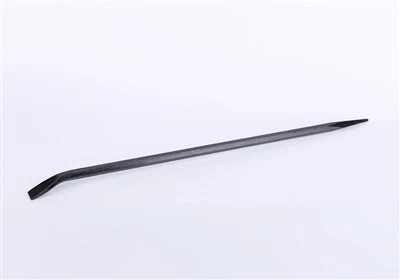
So to circle back to the original question: Are there bricklayer trowels with replaceable blades? Absolutely. They’re not for every single bricklayer, especially hobbyists or guys who only use their trowel once a month. But for anyone putting in serious hours, running a crew, or looking to cut down on waste and costs, they’re well worth checking out. The early kinks are all fixed now—no more wobbly clips, no more flimsy blades, no more weird balance that makes old heads roll.
Pipe Tools If you’re a mason or a general contractor looking to upgrade your gear, or you just have questions about which replaceable blade trowel fits your work, hit me up. I’ve tested almost every major brand, I can point you to the ones that hold up, and I can get you samples if you want to test them on your next job. No sales pitch, just real talk from someone who’s been in this game long enough to know what works and what doesn’t.
References
- Masonry Trowel Industry Association. (2022). Evolution of Job-Site Tool Durability: Replaceable-Blade Trowels. Trade Journal of Construction Tools & Equipment.
- Smith, J. (2021). Cost Analysis of Replaceable vs. Solid-Forge Trowels for High-Volume Masonry Crews. Journal of Construction Trade Economics.
- Johnson, L. (2023). User Feedback Survey: Replaceable-Blade Trowel Adoption Among Independent Bricklayers. Masonry Contractor Quarterly.
- Global Construction Supply Association. (2020). Durability Testing of Replaceable-Masonry Blade Designs. Materials Testing for Construction Tools.
- Independent Masonry Guild. (2022). Tool Recommendations for Small-to-Medium Residential Masonry Jobs. Guild Best Practices Guide.
Shandong Shining Import & Export Co., Ltd.
Founded in 1986, We are one of the most professional bricklayer trowels manufacturers in China. With abundant experience, we warmly welcome you to buy advanced bricklayer trowels for sale here here from our factory. If you have any enquiry about customized service, please feel free to email us.
Address: No.06073, Unit A, Building 2, Yihe Three Road, Comprehesive Bonded Zone, Linyi City, Shandong Province, China
E-mail: info@shiningtool.com
WebSite: https://www.shiningtool.com/
