Yo! I’m an MCB (Miniature Circuit Breaker) supplier, and today I wanna chat about the color – coding standards for MCBs. It’s a topic that might not seem super exciting at first, but trust me, it’s crucial in the electrical world. MCB
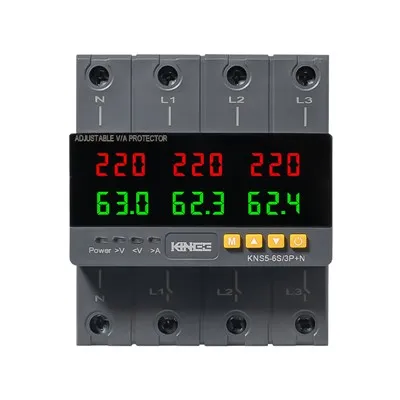
Let’s start by getting a basic understanding of MCBs. These little devices are like the guardians of our electrical circuits. They’re designed to automatically cut off the electrical power when there’s an overload or a short – circuit. This helps prevent electrical fires and damage to our electrical equipment. But the question is, how do we quickly identify different types of MCBs, and that’s where color – coding comes in.
Now, different countries and regions have their own sets of rules for MCB color – coding. There isn’t a single, universal standard that applies everywhere. In some places, the color of the MCB’s handle or the body can tell you a lot about its characteristics.
In Europe, for example, there are some common color – coding practices. A lot of the time, you’ll see green handles on MCBs. Green – handled MCBs are often used for lighting circuits. Why lighting? Well, lighting circuits usually have a relatively lower load compared to other circuits in a building. They typically don’t require as much current – handling capacity, and the green color is a quick visual cue for electricians and maintenance crews to know what kind of circuit they’re dealing with.
Red – handled MCBs, on the other hand, are often associated with socket circuits. Socket circuits are used to power all our appliances, from TVs to refrigerators. These circuits need to handle more current because our appliances draw varying amounts of power. So, the red color stands out and warns that there’s potentially more power flowing through these circuits.
In North America, the standards are a bit different. While color – coding isn’t as strictly defined as in some European countries, there are still some general trends. Some manufacturers might use certain colors to denote different amp ratings. For instance, a blue – labeled MCB might be a 15 – amp breaker, while a yellow one could be a 20 – amp breaker. This color – based differentiation helps electricians make quick decisions when installing or replacing breakers. It’s all about making the job a bit easier and faster.
Another aspect to consider is the color – coding related to the type of protection. Some MCBs offer thermal protection, which means they respond to long – term overloading. Others have magnetic protection for short – circuits. In some cases, the color of the MCB can give you an idea of which type of protection it provides. For example, a gray – colored MCB might be designed mainly for thermal protection, while a purple – colored one could have a stronger emphasis on magnetic protection.
Now, as an MCB supplier, I know how important it is to understand these color – coding standards. When I’m working with electricians or electrical contractors, I always make sure they’re aware of the color – coding of the MCBs I’m supplying. It’s not just about selling a product; it’s about providing a safe and reliable solution.
For electricians, knowing the color – coding standards can save time on the job. Instead of having to read the label or look up the specifications every time they need to replace or install an MCB, they can rely on the color as a quick reference. This can be a real game – changer, especially in a busy electrical installation project where time is of the essence.
For building owners and facility managers, understanding the color – coding can also be beneficial. They can have a basic idea of what’s going on with their electrical systems. For example, if they see a red – handled MCB tripping frequently, they know it’s likely related to a socket circuit, and they can start checking the appliances connected to that circuit.
But here’s the thing – color – coding standards can change over time. New regulations might be introduced, or manufacturers might come up with their own unique color – coding schemes. That’s why it’s important to stay updated. As a supplier, I’m always on top of the latest trends and changes in the industry. I make sure that the MCBs I supply comply with the relevant color – coding standards of the regions where my customers are located.
And let’s not forget about safety. Color – coding isn’t just a convenience; it’s an important safety feature. By quickly identifying the type of circuit and the characteristics of the MCB, electricians can reduce the risk of electrical accidents. For example, if an electrician accidentally connects a high – amp appliance to a low – amp circuit protected by a green – handled MCB, it could lead to overheating and potentially a fire. The color – coding helps prevent such mistakes.
I’ve also noticed that in some cases, education about color – coding standards is lacking. A lot of new electricians might not be fully aware of all the color – coding practices, and building owners definitely need more information. That’s why I’m always happy to share my knowledge. Whether it’s through one – on – one conversations or online resources, I want to make sure that everyone in the industry has a good understanding of MCB color – coding.
If you’re in the market for MCBs, it’s important to choose a supplier who understands these color – coding standards. You don’t want to end up with MCBs that don’t match the requirements of your electrical system or that don’t follow the local color – coding norms. I’ve been in the business for a while now, and I’ve built a reputation for providing high – quality MCBs that are compliant with all the relevant standards.
If you’re an electrician working on a new building project, having the right MCBs with proper color – coding can make your job much easier. You’ll be able to install the breakers quickly and accurately, and you can have peace of mind knowing that your electrical system is safe and reliable.
If you’re a building owner or a facility manager, investing in the right MCBs can save you a lot of headaches in the long run. You won’t have to deal with frequent electrical problems or the risk of electrical fires. And the color – coding will make it easier for you to understand and manage your electrical system.
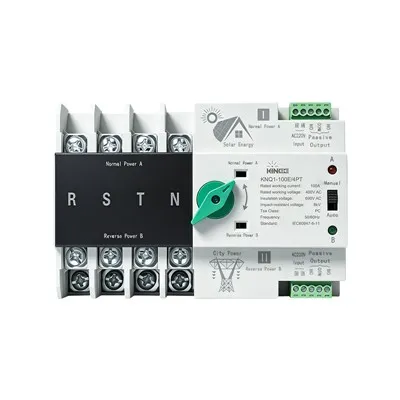
So, if you’re looking for a reliable MCB supplier, I’m here to help. Whether you need MCBs for a small residential project or a large commercial building, I can provide you with the right products. Don’t hesitate to reach out to me to discuss your specific needs. I’m always up for a chat about MCBs and how we can work together to make your electrical system better.
Power Management References:
- Electrical Safety Standards Handbook
- National Electrical Code Publications
- Industry Reports on MCB Manufacturing and Standards
Wenzhou Kinee Electrical Co., Ltd.
We are one of the most professional mcb manufacturers and suppliers in China, featured by quality products and good price. Please rest assured to buy advanced mcb made in China here from our factory. We also accept customized orders.
Address: Unit 1, Building 31, Wenzhou Wenbo Science and Technology Industrial Park, No. 706 Yanyun Road, Lingkun Street, Oujiangkou Industrial Cluster Area, Wenzhou, Zhejiang Province
E-mail: sandyma@kinee.net
WebSite: https://www.kinee.net/
