As a seasoned supplier in the Oil Tanker Trailer industry, I often get asked about the maximum weight an oil tanker trailer can carry. This question is crucial for businesses involved in the transportation of oil and other liquid petroleum products, as it directly impacts their operational efficiency, safety, and compliance with regulations. In this blog post, I’ll delve into the factors that determine this maximum weight, the implications of overloading, and how you can choose the right oil tanker trailer for your specific needs. Oil Tanker Trailer
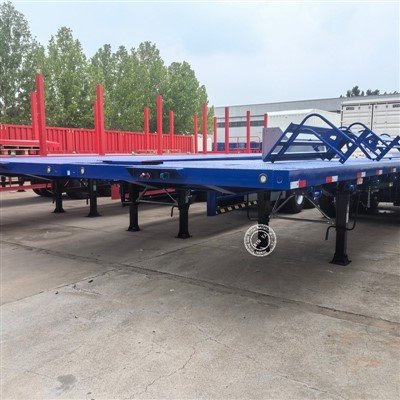
Understanding the Basics: What Dictates the Maximum Weight?
The maximum weight an oil tanker trailer can carry is not a one – size – fits – all figure. It is influenced by a multitude of factors, each of which plays a significant role in determining the safe and legal payload.
Trailer Design and Construction
The physical structure of the oil tanker trailer is a primary factor. Trailers are built with different materials, such as steel or aluminum, and have varying wall thicknesses. Steel trailers, for example, are generally heavier but can withstand higher pressure and heavier loads. Aluminum trailers, on the other hand, are lighter, which allows for a higher payload capacity due to the reduced tare weight (the weight of the trailer when empty).
The number and design of the axles also impact the weight capacity. Trailers with more axles can distribute the weight more evenly, allowing for a higher overall payload. For instance, a three – axle tanker trailer will have a lower maximum weight capacity compared to a five – axle tanker trailer. The spacing between the axles, known as the axle spread, is also important. A wider axle spread can handle more weight as it provides better stability.
Regulatory Requirements
Regulations play a huge role in determining the maximum weight an oil tanker trailer can carry. Different countries and regions have their own laws and standards regarding vehicle weights. These regulations are in place to protect the integrity of the road infrastructure and ensure road safety.
In the United States, the Federal Bridge Gross Weight Formula is used to calculate the maximum weight a vehicle can carry based on the number of axles and their spacing. For example, a truck – trailer combination on a federal highway cannot exceed a gross vehicle weight rating (GVWR) of 80,000 pounds without a special permit. State laws can further restrict the maximum weight, and some states have different weight limits for different types of roads.
In the European Union, Directive 96/53/EC sets out the maximum dimensions and weights for road vehicles. The maximum gross weight for a semi – trailer combination (tractor and trailer) is generally 40 tonnes, but this can vary depending on the number of axles and the specific configuration.
Tire and Suspension Capacity
The tires and suspension system of the oil tanker trailer are also critical. Tires have a specific load – carrying capacity, which is rated by the manufacturer. The maximum weight of the trailer and its payload must not exceed the combined load – carrying capacity of all the tires.
The suspension system is designed to support the weight of the trailer and its contents while providing a smooth ride. There are different types of suspension systems, such as leaf spring, air suspension, and torsion bar suspension. Air suspension systems, for example, can be adjusted to handle different weights and provide better ride quality, which is especially important when carrying heavy loads.
The Implications of Overloading an Oil Tanker Trailer
Overloading an oil tanker trailer can have serious consequences, both in terms of safety and legal compliance.
Safety Risks
Overloading can significantly affect the handling and stability of the trailer. The extra weight can put more stress on the tires, increasing the risk of blowouts. It can also strain the brakes, reducing their effectiveness and increasing the stopping distance. In addition, an overloaded trailer is more likely to roll over, especially when taking corners or in emergency maneuvers. This poses a serious risk not only to the driver but also to other road users.
Legal Consequences
If caught overloading, the transporter can face hefty fines, vehicle impoundment, and even license suspension. In some cases, repeated violations can lead to the revocation of the company’s operating license. Moreover, overloading can void the trailer’s warranty, leaving the owner responsible for any repairs or replacements.
Choosing the Right Oil Tanker Trailer for Your Payload
When selecting an oil tanker trailer, it’s essential to consider your specific payload requirements.
First, calculate the average and maximum weight of the oil or petroleum products you plan to transport. Then, take into account any potential future growth in your business. This will help you determine the appropriate size and capacity of the trailer.
Next, work closely with your trailer supplier to ensure that the trailer is designed and built to meet your needs. A reputable supplier will be able to advise you on the best materials, axle configuration, and suspension system for your specific weight requirements. They will also be familiar with the local regulations and can ensure that the trailer complies with all relevant laws.
Case Studies
Let’s look at a couple of real – world examples to illustrate the importance of understanding the maximum weight capacity of oil tanker trailers.
In one case, a small – scale oil distributor in Texas underestimated the weight of their product when purchasing a tanker trailer. They initially bought a three – axle trailer with a relatively low weight capacity, thinking it would be sufficient for their needs. As their business grew, they started to overload the trailer to meet demand. This led to a series of tire blowouts and brake failures, which not only caused significant downtime and repair costs but also put their drivers at risk. Eventually, they had to upgrade to a five – axle trailer with a higher weight capacity, which improved the safety and efficiency of their operations.
In another example, a large – scale fuel transporter in Germany carefully calculated their payload requirements and worked with a trailer supplier to design a custom – built tanker trailer. The trailer was equipped with an advanced air suspension system and had an optimal axle configuration. By ensuring that they were operating within the legal weight limits, they were able to avoid fines and maintain a good safety record. This allowed them to build a strong reputation in the industry and win more contracts.
Why Choose Us as Your Oil Tanker Trailer Supplier?
As an established oil tanker trailer supplier, we have the knowledge and experience to help you choose the right trailer for your specific weight requirements. We understand the complexities of trailer design, regulatory compliance, and safety standards.
Our team of experts will work closely with you to understand your business needs. We offer a wide range of tanker trailers, from small – capacity models for local deliveries to large – scale trailers for long – distance transportation. Our trailers are built using high – quality materials and advanced manufacturing techniques to ensure durability and reliability.

We also provide comprehensive after – sales support, including maintenance, repair, and parts replacement. Our commitment to customer satisfaction means that we are always available to answer your questions and address any concerns you may have.
Wing Van Semi Trailer If you are in the market for an oil tanker trailer, I encourage you to reach out to us for a detailed discussion about your payload requirements. We can provide you with customized solutions that meet your needs and budget. Contact us today to start the conversation and take the first step towards enhancing your oil transportation operations.
References
- Federal Highway Administration. "Bridge Formula Weights."
- European Union. "Directive 96/53/EC on the Approximation of the Laws of the Member States Relating to the Maximum Authorised Dimensions and Weights of Vehicles."
- Tire and Rim Association. "Year Book."
Shandong Yuncheng Xinya Trailer Manufacturing Co., Ltd.
Shandong Yuncheng Xinya Trailer Manufacturing Co., Ltd. is one of the most experienced oil tanker trailer manufacturers and suppliers in China, featured by quality products and good service. Please rest assured to buy CE approved oil tanker trailer from our factory. Contact us for customized service and OEM service.
Address: No. 008, Hexie Road, Yangzhuangji Town, Yuncheng County, Heze City, Shandong Province
E-mail: fiona@xinyatrailer.com
WebSite: https://www.china-truckfactory.com/
