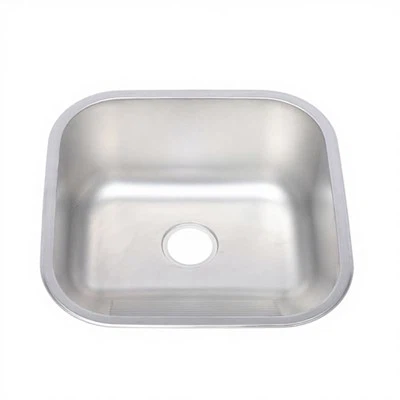
Stainless steel niches are a popular choice for both residential and commercial projects due to their durability, aesthetics, and resistance to corrosion. As a supplier of high – quality stainless steel niches, I often get asked about the best way to store these products when they are not in use. Proper storage is crucial to maintain the integrity and appearance of the stainless steel niches over time. In this blog, I’ll share some scientific and practical tips on how to store stainless steel niches effectively. Stainless Steel Niche
1. Clean the Niches Thoroughly Before Storage
Before storing the stainless steel niches, it’s essential to clean them properly. Any dirt, debris, or chemical residues left on the surface can potentially cause corrosion or staining during storage.
- Use Mild Detergent: Start by preparing a solution of mild dish soap and warm water. Dip a soft, non – abrasive cloth into the solution and gently wipe the entire surface of the niche. This will help remove loose dirt and grime.
- Rinse and Dry: After cleaning, rinse the niche thoroughly with clean water to remove any soap residue. Then, use a dry, lint – free cloth to wipe it dry. Make sure to dry all the crevices and corners to prevent water from pooling, which can lead to rust.
- Remove Tough Stains: If there are stubborn stains on the niche, you can use a specialized stainless steel cleaner. Apply the cleaner according to the manufacturer’s instructions, and use a soft brush to gently scrub the stained area. Rinse and dry the niche as before.
2. Choose the Right Storage Environment
The storage environment plays a significant role in preserving the quality of stainless steel niches. Here are some factors to consider:
Temperature and Humidity
- Stainless steel is relatively resistant to temperature changes, but extreme temperatures can still have an impact. Ideally, the storage area should have a stable temperature between 50°F (10°C) and 80°F (27°C).
- High humidity levels can cause condensation on the surface of the stainless steel, which can lead to corrosion. Aim to keep the relative humidity in the storage area below 60%. If necessary, use a dehumidifier to control the humidity.
Location
- Indoor Storage: It’s best to store stainless steel niches indoors to protect them from the elements. An enclosed warehouse or storage room is ideal. Avoid storing them in areas prone to flooding or where they might be exposed to rain, snow, or direct sunlight.
- Elevated Position: Place the niches on pallets or racks off the ground to prevent moisture from seeping up from the floor. This also helps with air circulation around the niches.
3. Protect the Niche’s Surface
To prevent scratches, dents, and other physical damage during storage, it’s important to protect the surface of the stainless steel niches.
Protective Film
- Apply a high – quality protective film to the surface of the niche. This film acts as a barrier against scratches, abrasions, and fingerprints. Make sure to choose a film specifically designed for stainless steel and apply it carefully, smoothing out any air bubbles.
- When removing the film at a later time, do it slowly and at a low angle to avoid scratching the stainless steel surface.
Packaging
- Wrap the niches in soft, protective materials such as bubble wrap or foam sheets. This provides an extra layer of cushioning and helps prevent damage during handling and storage.
- If storing multiple niches together, separate them with foam or cardboard dividers to prevent them from rubbing against each other.
4. Prevent Corrosion
Even though stainless steel is corrosion – resistant, it’s still possible for corrosion to occur under certain conditions. Here are some steps to prevent it:
Avoid Contact with Other Metals
- Stainless steel can undergo galvanic corrosion when it comes into contact with other metals, especially those with a different electrochemical potential. Avoid storing stainless steel niches in direct contact with carbon steel, aluminum, or other dissimilar metals.
- If you need to stack or store the niches near other metal objects, use non – conductive materials such as plastic or rubber spacers to separate them.
Regular Inspections
- Periodically inspect the stored niches for any signs of corrosion or damage. Look for discoloration, rust spots, or pitting on the surface. If you notice any issues, take immediate action to address them.
- For minor corrosion, you can use a stainless steel polish or a mixture of baking soda and water to gently clean the affected area. For more severe corrosion, consult a professional for advice.
5. Organize and Label
Proper organization and labeling are beneficial for inventory management and easy retrieval of the stainless steel niches when needed.
Shelving and Racking
- Use a well – organized shelving or racking system to store the niches. This makes it easier to access them and reduces the risk of damage during handling.
- Arrange the niches in a logical order, such as by size, model, or intended use.
Labeling
- Label each niche or storage location with important information, including the product name, size, quantity, and any special instructions. This helps in quickly identifying the required niche and ensures that the correct product is retrieved.
6. Handling During Storage and Retrieval
Proper handling is crucial to prevent damage to the stainless steel niches during storage and retrieval.
Use Appropriate Equipment
- When moving the niches, use equipment such as forklifts, pallet jacks, or hand trucks designed for handling heavy objects. Make sure the equipment is in good working condition and that the operators are trained to use it safely.
- Lift the niches from the appropriate lifting points or use slings and straps to ensure a secure hold.
Gentle Handling
- Avoid dropping, stacking too high, or applying excessive force to the niches. Be careful when maneuvering them in tight spaces to prevent collisions with other objects.
In conclusion, the best way to store stainless steel niches when not in use involves thorough cleaning, choosing the right storage environment, protecting the surface, preventing corrosion, organizing and labeling, and proper handling. By following these steps, you can ensure that your stainless steel niches remain in excellent condition for an extended period.
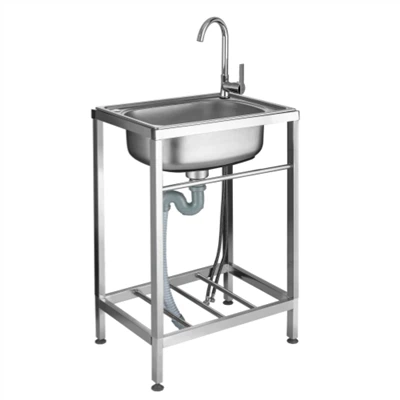
Stainless Steel Sink As a reliable supplier of stainless steel niches, I understand the importance of maintaining product quality. Whether you’re a contractor, a builder, or a homeowner, I’m here to provide you with top – notch stainless steel niches and expert advice on their storage and use. If you’re interested in purchasing stainless steel niches or have any questions about our products, please don’t hesitate to contact us for further discussions.
References
- ASM Handbook, Volume 13C: Corrosion: Stainless Steels.
- Stainless Steel Association Technical Guidelines on Storage and Handling of Stainless Steel Products.
- Manufacturer’s guidelines for stainless steel cleaning and maintenance products.
Dingyi Shichuang Co., Ltd.
As one of the most professional stainless steel niche manufacturers and suppliers in China, we offer a wide range of products with superior quality. Please rest assured to wholesale customized stainless steel niche made in China here from our factory. Contact us for free sample.
Address: Rm908, Building 4, United Fortune Plaza, Jinan Area,China (ShanDong) Pilot Free Trade Zone
E-mail: info@dingyishichuang.com
WebSite: https://www.dysckitchensink.com/
