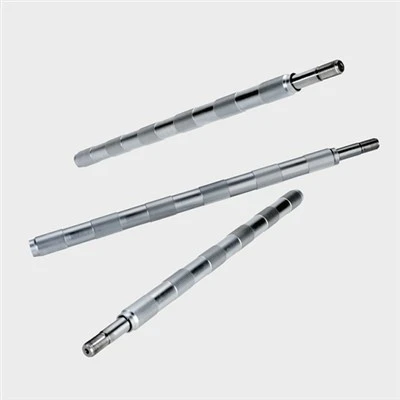
In the intricate world of textile manufacturing, the pursuit of high – quality yarns is a never – ending journey. One of the key components in this process is achieving optimal sliver evenness. As a dedicated supplier of Drawing Frame Machines, I have witnessed firsthand how these remarkable pieces of equipment play a pivotal role in enhancing sliver evenness. In this blog, I will delve into the mechanisms and benefits of Drawing Frame Machines in this critical aspect of textile production. Drawing Frame Machine
Understanding the Sliver and the Importance of Evenness
Before we explore how Drawing Frame Machines work, it’s essential to understand what a sliver is and why its evenness matters. A sliver is a soft, untwisted rope of fibers produced during the early stages of the spinning process. The fibers in a sliver come from various sources and may have different lengths, thicknesses, and qualities.
The evenness of a sliver directly impacts the quality of the final yarn and the fabric made from it. An uneven sliver can result in yarns with inconsistent thickness, which leads to variations in fabric appearance, strength, and durability. For example, thick places in the yarn may cause pilling in the fabric, while thin spots can lead to weak points that are more prone to breakage. Therefore, maintaining a high level of sliver evenness is crucial for producing high – quality textiles.
How Drawing Frame Machines Work
Drawing Frame Machines are designed to perform several functions that contribute to improving sliver evenness. The fundamental principle behind these machines is to attenuate and blend the sliver while minimizing weight variations along its length.
Drafting Process
The drafting process is at the heart of a Drawing Frame Machine. Drafting involves stretching the sliver to reduce its linear density and parallelize the fibers within it. The machine consists of multiple sets of rollers, each set rotating at a different speed. As the sliver passes through these rollers, the difference in speed between the successive sets causes the sliver to be stretched.
The front rollers rotate faster than the back rollers. This creates a controlled stretching of the sliver, which helps to straighten and align the fibers. By breaking up fiber bundles and distributing the fibers more evenly, the drafting process reduces the short – term thickness variations in the sliver. For instance, if there are local thick areas in the sliver, the drafting will thin them out, and any thin areas will be compensated for as the machine tries to achieve a more uniform distribution of fibers.
Blending Function
Another crucial aspect of Drawing Frame Machines is their ability to blend multiple slivers. Usually, several slivers are fed into the machine simultaneously. These slivers may have different fiber characteristics or come from different batches of raw materials.
As the slivers are drafted and combined, the fibers from each sliver mix together. This blending process helps to average out the variations in fiber properties. For example, if one sliver has a higher proportion of longer fibers and another has more shorter fibers, the blending in the Drawing Frame Machine will result in a more homogeneous sliver with a balanced fiber length distribution. This, in turn, contributes to better sliver evenness.
Autoleveling Technology
Modern Drawing Frame Machines are often equipped with autoleveling technology. This advanced feature continuously monitors the weight of the sliver as it passes through the machine. Sensors detect any deviations from the target weight per unit length of the sliver.
If the machine detects a thick or thin spot in the sliver, the autoleveling system adjusts the drafting ratio in real – time. For a thick spot, the drafting ratio is increased to stretch the sliver more and reduce its thickness. Conversely, for a thin spot, the drafting ratio is decreased to add more fibers and increase the thickness. This automatic adjustment ensures that the sliver weight remains consistent over its entire length, significantly improving evenness.
Advantages of Using Drawing Frame Machines for Sliver Evenness
Improved Yarn Quality
As mentioned earlier, sliver evenness is directly related to yarn quality. By producing a more even sliver, Drawing Frame Machines help to create yarns with consistent thickness, strength, and appearance. This results in higher – quality fabrics that are more durable, have a smoother surface, and less pilling.
Enhanced Production Efficiency
Even sliver also has a positive impact on the overall production efficiency. When the sliver is more uniform, there are fewer breakages during subsequent spinning processes. This reduces downtime for machine repairs and re – threading, allowing for a more continuous and efficient production flow.
Reduced Waste
An uneven sliver often leads to higher levels of waste. Thick or thin spots in the sliver may cause the yarn to break during spinning, leading to the discard of sub – standard yarn segments. By improving sliver evenness, Drawing Frame Machines help to minimize such waste, saving raw materials and reducing production costs.
Real – World Applications and Case Studies
In the textile industry, many manufacturers have witnessed significant improvements in sliver evenness and overall product quality after implementing Drawing Frame Machines. For example, in a large – scale cotton spinning mill, the use of our advanced Drawing Frame Machines with autoleveling technology led to a 20% reduction in yarn thickness variations. This improvement not only enhanced the quality of their finished cotton fabrics but also increased their competitiveness in the market.
Another case involved a woolen textile producer. They were struggling with uneven sliver due to the natural variability of wool fibers. After installing our Drawing Frame Machines, the blending function effectively mixed different batches of wool slivers, resulting in a more consistent sliver. As a result, the yarn produced had a more uniform color and texture, and the final woolen garments were of higher quality.
Conclusion
In conclusion, Drawing Frame Machines are indispensable tools in the textile manufacturing process, especially when it comes to improving sliver evenness. Through the drafting process, blending function, and autoleveling technology, these machines can effectively reduce thickness variations in the sliver, leading to higher – quality yarns, enhanced production efficiency, and reduced waste.
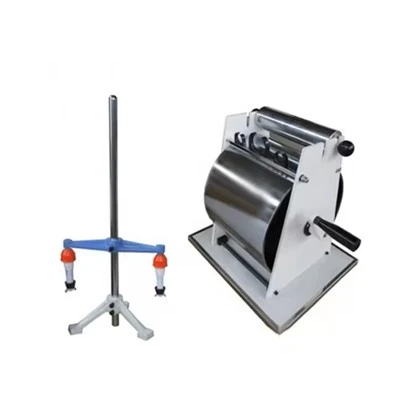
If you are a textile manufacturer looking to improve the quality of your products and enhance your production process, investing in a high – quality Drawing Frame Machine is a smart decision. We, as a reliable supplier of Drawing Frame Machines, are committed to providing you with the best – in – class equipment and excellent after – sales service. Our machines are designed with the latest technology to ensure optimal sliver evenness and long – term reliability.
Textile Machinery If you are interested in learning more about our Drawing Frame Machines or would like to discuss a potential purchase, please feel free to get in touch with us. We are always ready to have a detailed discussion with you and help you find the most suitable solution for your specific needs.
References
- Morton, W. E., & Hearle, J. W. S. (1993). Physical Properties of Textile Fibres. Woodhead Publishing.
- Hearle, J. W. S. (2001). High – performance Fibres. Woodhead Publishing.
Shandong Hongye Machinery Co., Ltd.
Shandong Hongye Machinery Co., Ltd. is one of the most professional drawing frame machine manufacturers and suppliers in China, featured by quality products and low price. Please rest assured to buy advanced drawing frame machine in stock here and get quotation from our factory. Also, 1 year warranty is available.
Address: Room 1104, Building No. 2, Haier Yunjie, No. 99 Chongqing South Road, Qingdao, China
E-mail: sales@seavincn.com
WebSite: https://www.sdhymachinery.com/
