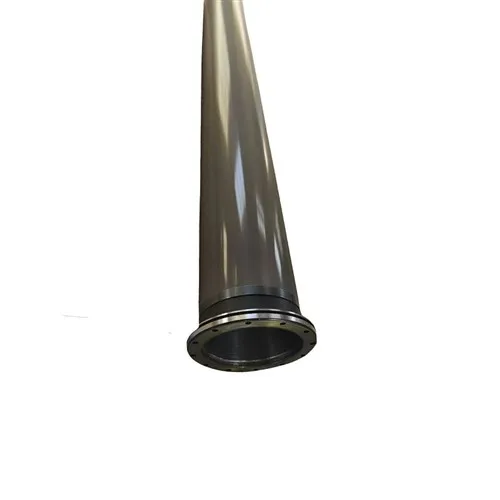
Hey there! I’m a supplier of Ceramic Anilox Rollers, and I know these rollers like the back of my hand. They’ve been a game – changer in the printing industry, offering a bunch of great benefits like high wear resistance, excellent ink transfer, and long service life. But hey, no product is perfect, and Ceramic Anilox Rollers are no exception. In this blog, I’m going to spill the beans on the disadvantages of these rollers. Ceramic Anilox Roller
High Initial Cost
One of the biggest downsides of Ceramic Anilox Rollers is the high initial cost. Manufacturing these rollers involves some pretty high – tech processes. First off, the ceramic coating has to be applied with extreme precision. This isn’t just a simple paint – on job. Specialized equipment and highly skilled technicians are required to ensure the coating is even and of the right quality.
The raw materials used for the ceramic coating are also not cheap. They need to have specific properties like hardness and chemical resistance, which drives up the cost. And let’s not forget about the quality control measures. Every single roller has to be inspected thoroughly to make sure it meets the industry standards. All these factors combined mean that when you’re looking to buy a Ceramic Anilox Roller, you’re going to have to shell out a significant amount of money compared to other types of anilox rollers.
For small – scale printers or those on a tight budget, this high cost can be a real deal – breaker. They might be more inclined to go for cheaper alternatives, even if it means sacrificing some of the performance benefits that Ceramic Anilox Rollers offer. It’s a tough choice, but money talks, and sometimes the upfront investment just isn’t worth it for some businesses.
Brittle Nature
Ceramic is a hard but brittle material. This means that Ceramic Anilox Rollers are more prone to cracking and chipping compared to other types of rollers. During handling, even a small bump or drop can cause damage to the roller surface. And when you’re talking about high – precision printing, even the slightest crack or chip can mess up the entire printing process.
In the printing press environment, there’s always a risk of mechanical impact. For example, if there’s a jam in the press or if the roller comes into contact with other parts of the machine accidentally, it can lead to damage. Once the ceramic surface is damaged, the ink transfer properties of the roller can be affected. The damaged area might not hold or transfer ink properly, resulting in uneven printing, streaks, or blurry images.
Repairing a damaged Ceramic Anilox Roller can be a real pain. It often requires specialized equipment and expertise. In some cases, if the damage is severe, the entire roller might need to be replaced, which means more money and downtime for the printer.
Difficult to Engrave
Engraving the cells on a Ceramic Anilox Roller is no walk in the park. Unlike other materials, ceramic is extremely hard, which makes it challenging to create the precise and consistent cells required for efficient ink transfer.
The engraving process usually involves using lasers or diamond – tipped tools. Lasers are used because they can offer a high level of precision, but they’re also very expensive to operate. And even with lasers, it can be tricky to control the depth and shape of the cells accurately. Any slight deviation in the cell geometry can affect the ink – holding capacity and transfer efficiency of the roller.
Diamond – tipped tools are another option, but they also have their limitations. They can wear out quickly when working on hard ceramic surfaces, which means more frequent tool replacements and increased costs. The slow speed of the engraving process also adds to the overall cost of manufacturing the roller.
Sensitivity to Chemicals
Ceramic Anilox Rollers can be sensitive to certain chemicals. In the printing industry, various inks, solvents, and cleaning agents are used. Some of these chemicals can react with the ceramic coating on the roller, causing corrosion or damage over time.
For example, acidic or alkaline cleaning agents can break down the ceramic surface, making it rough and uneven. This roughness can then affect the ink transfer process, leading to poor print quality. Even small traces of these chemicals left on the roller after cleaning can cause long – term damage.
Printer operators need to be very careful when selecting the cleaning agents and inks they use. They have to make sure that these products are compatible with the ceramic material. This adds an extra layer of complexity to the printing process and requires a lot of attention to detail.
Limited Compatibility with Some Printing Processes
While Ceramic Anilox Rollers are great for many printing applications, they might not be the best fit for all printing processes. Some traditional printing methods or specialized processes might require specific types of rollers with different properties.
For instance, in some very high – speed printing applications, the high inertia of Ceramic Anilox Rollers can be a problem. The extra weight of the ceramic coating can make it harder to accelerate and decelerate the roller quickly, which can limit the printing speed.
Also, in some niche printing processes where a very soft touch or a different type of ink transfer mechanism is required, the hard and rigid nature of Ceramic Anilox Rollers might not be ideal. Printers using these specialized processes might find that other types of rollers, like rubber or metal anilox rollers, are a better choice for their needs.
Costly Maintenance
Maintaining Ceramic Anilox Rollers can be expensive. As I mentioned earlier, they’re sensitive to chemicals, so you need to use the right cleaning agents. These specialized cleaning products can be more expensive than regular cleaners.
In addition to cleaning, the rollers also need to be inspected regularly to detect any signs of damage or wear. This requires specialized inspection equipment and trained personnel. If any issues are found, the cost of repair or replacement can be quite high.
The downtime required for maintenance can also be a problem. During maintenance, the printing press has to be shut down, which means lost production time and potentially lost revenue for the printer. This is especially a concern for high – volume printers who rely on continuous operation to meet their production targets.
Conclusion
Even though Ceramic Anilox Rollers have some significant disadvantages, they still offer a lot of benefits in terms of performance and durability. The high initial cost, brittle nature, difficulty in engraving, chemical sensitivity, limited compatibility, and costly maintenance are all factors that printers need to consider when choosing an anilox roller.
Embossing Roller But hey, as a supplier, I’m here to help you make the best decision for your business. If you think the advantages of Ceramic Anilox Rollers outweigh the disadvantages for your specific printing needs, I’d be more than happy to talk to you. Whether you’re looking for more information about our products, want to discuss pricing, or have any other questions, don’t hesitate to reach out. We can have a chat and see if our Ceramic Anilox Rollers are the right fit for your printing operation.
References
- "Anilox Rollers: Technology and Applications" by Printing Industries of America
- "Ceramic Materials in Industrial Printing" from Journal of Printing Technology
Kunshan Hanhan Co., Ltd.
We’re well-known as one of the leading ceramic anilox roller manufacturers and suppliers in China. We warmly welcome you to buy high quality ceramic anilox roller made in China here from our factory. If you have any enquiry about cooperation, please feel free to email us.
Address: No. 1093, B Zone, No. 2 Xugongqiao Rd, Huaqiao Town, Kunshan City, Suzhou, Jiangsu, China
E-mail: info@kshhroller.com
WebSite: https://www.kshh-roller.com/
