Hey there! I’m a supplier of Urology RF Plasma Surgical Systems, and today I wanna chat about just how accurate these systems are. Urology RF Plasma Surgical Systems
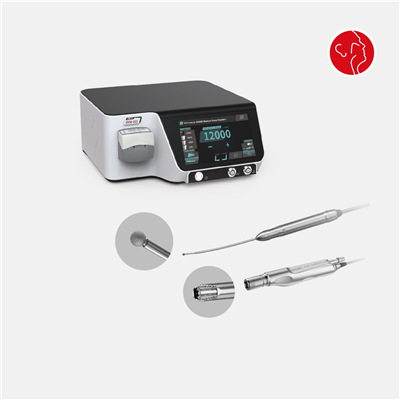
First off, let’s get into what Urology RF Plasma Surgical Systems are all about. These systems use radio – frequency (RF) energy to create a plasma field. This plasma can cut, coagulate, and ablate tissues during urological surgeries. They’ve become a game – changer in the urology field, but the big question for doctors, patients, and medical institutions is: how accurate can we really expect them to be?
Factors Affecting Accuracy
Technology Precision
The accuracy of these systems largely depends on their underlying technology. Modern RF plasma systems are engineered with high – end components that can control the RF energy output with great finesse. For example, the power settings can be adjusted in very small increments. You can set the power from a few watts all the way up to over a hundred watts, depending on the specific task at hand, like vaporizing prostate tissue or sealing blood vessels. This precise power control ensures that the surgical instrument only affects the target area and minimizes damage to the surrounding healthy tissues.
The advanced microprocessors in these systems play a crucial role as well. They continuously monitor and adjust the energy delivery based on the feedback from the tissue being treated. If the tissue resistance changes, which can happen as the plasma interacts with the cells, the system can automatically modify the energy output to maintain a consistent and accurate effect.
Surgeon Skill
No matter how high – tech the system is, the surgeon’s skill is a make – or – break factor for accuracy. A well – trained urologist who is familiar with the ins and outs of the RF plasma system can use it to achieve remarkable precision. They know how to handle the surgical probe, how to apply the right amount of pressure during the procedure, and when to adjust the power settings based on the real – time situation in the operating room.
Take, for example, a transurethral resection of the prostate (TURP) procedure. An experienced surgeon using an RF plasma system can precisely remove the excess prostate tissue that’s causing urinary problems, while at the same time avoiding hitting the surrounding nerves and blood vessels. On the other hand, a less experienced surgeon might not be as accurate, leading to complications like bleeding or damage to the urethra.
Patient – Specific Factors
Each patient is unique, and this can have a significant impact on the accuracy of the urology RF plasma surgical system. The anatomy of the urological organs can vary from person to person. For instance, some patients may have an enlarged prostate with an irregular shape, or there could be anatomical variations in the urinary tract due to previous surgeries or congenital conditions.
In such cases, the system’s accuracy might be challenged. The surgeon has to take these factors into account and make on – the – spot decisions. They may need to adjust the approach or use additional imaging techniques, like ultrasound, to guide the RF plasma probe more accurately.
Real – world Accuracy in Different Procedures
Prostate Surgeries
In prostate surgeries, the accuracy of RF plasma systems is quite impressive. When treating benign prostatic hyperplasia (BPH), the system can precisely vaporize the excess prostate tissue. This is important because the prostate is located close to the urethra and the nerves that control erectile function. By using the RF plasma system, the surgeon can target the diseased tissue while sparing these vital structures.
Studies have shown that in many cases, patients who undergo BPH treatment with RF plasma systems experience less bleeding during the procedure compared to traditional methods. This is a sign of the system’s accuracy in coagulating blood vessels as it cuts through the tissue. Also, the post – operative recovery time is often shorter, which indicates that there’s less damage to the surrounding healthy tissues.
Bladder Tumor Resection
When it comes to bladder tumor resection, accuracy is of utmost importance. The RF plasma system can be used to precisely remove bladder tumors, even those that are small and located in hard – to – reach areas. The plasma can cut through the tumor tissue while simultaneously sealing the blood vessels, reducing the risk of tumor seeding (the spread of cancer cells during the procedure).
However, in some cases, the accuracy can be affected by the size and location of the tumor. For large tumors, it might be more challenging to ensure that all of the cancerous tissue is removed, and for tumors near the bladder neck or ureters, extra caution is needed to avoid damage to these important structures.
Measurement and Assessment of Accuracy
Assessing the accuracy of urology RF plasma surgical systems is a complex process. There are several ways to measure it:
Post – operative Imaging
One common method is to use post – operative imaging, such as MRI or CT scans. These can show whether the target tissue has been completely removed and if there’s any damage to the surrounding structures. For example, in a prostate surgery, an MRI can reveal if there’s any remaining prostate tissue or if there are any signs of bleeding or inflammation in the area.
Patient Outcomes
Patient outcomes are also a key indicator of accuracy. If a patient experiences a quick recovery, has minimal post – operative pain, and a restoration of normal urological function, it’s a good sign that the procedure was accurate. On the other hand, complications like urinary incontinence, erectile dysfunction, or recurrence of the disease may suggest that there were issues with the accuracy of the surgery.
Laboratory Analysis
In some cases, tissue samples removed during the surgery can be analyzed in the laboratory. This can help determine if all of the diseased tissue was removed and if there’s any evidence of damage to the healthy tissue. For example, in a bladder tumor resection, a pathologist can examine the removed tumor tissue to see if the margins are clear, which means that there are no cancer cells at the edges of the removed tissue.
Challenges to Maintaining Accuracy
Even though urology RF plasma surgical systems are highly accurate, there are still some challenges that can affect their performance.
Equipment Wear and Tear
Over time, the components of the RF plasma system can wear out. The surgical probes may become dull or the electrodes may degrade, which can affect the accuracy of the energy delivery. Regular maintenance and calibration of the equipment are essential to ensure that it continues to perform at its best.
Interference
There can be interference from other medical devices in the operating room. For example, some types of monitoring equipment or other electrical devices may generate electromagnetic interference that can disrupt the normal operation of the RF plasma system. Surgeons and medical staff need to be aware of this and take steps to minimize the interference.
Conclusion
So, how accurate are urology RF plasma surgical systems? Well, they’re pretty darn accurate, especially when you consider the advanced technology, the skill of the surgeon, and the ability to adapt to different patient situations. However, like any medical technology, they’re not perfect. There are factors that can affect their accuracy, and continuous improvement and careful use are needed.
ENT RF Plasma Surgical Systems If you’re a medical institution, a urologist, or someone involved in the procurement of medical equipment, and you’re looking for a reliable and accurate urology RF plasma surgical system, I’d love to chat with you. We’ve got a range of products that are designed to meet your specific needs and provide the highest level of accuracy in urological surgeries. Don’t hesitate to reach out and let’s have a discussion about how we can work together to improve patient outcomes.
References
- "Advances in Urological Surgical Technology", Journal of Urology Research, 2020
- "Clinical Evaluation of RF Plasma Systems in Prostate Surgeries", Urology Today, 2021
- "Accuracy Assessment in Bladder Tumor Resection with RF Plasma", International Journal of Urology, 2019
Jiangsu Bonss Medical Technology Co., Ltd.
As one of the most professional urology rf plasma surgical systems manufacturers and suppliers in China, we’re featured by quality products and good price. Please rest assured to buy bulk urology rf plasma surgical systems for sale here from our factory. Customized orders are welcome.
Address: Building #7,No.898,China Medical City Avenue, Haling District, Taizhou City.Jiangsu P.R. China
E-mail: inquiry@plasma-surgical.com
WebSite: https://www.bonssmedical.com/
